The useful short answer
Fez is a good place to make one food choice deliberately: a signature, unhurried meal; a quick counter stop; or a food experience where the ingredients and pace suit you. Do not turn the choice into a restaurant-ranking exercise. For the distinct Medina-versus-Ville-Nouvelle decision, see Fez restaurants: Medina or Ville Nouvelle dining?. Menus, preparation and opening patterns change, while the Medina of Fez remains a living historic city with traditional skills and daily functions rather than a static attraction.1
For most first-time visitors, a practical plan is simple: have a modest breakfast or snack, save one proper meal for a dish you genuinely want to try, and leave room to ask questions. If you are also planning the medina, pair the meal with the route in this Fez first-visit guide, not with an overfull sightseeing schedule.
Choose your first Fassi meal by appetite and time
Recipes from Fez form their own culinary tradition, but no two kitchens or menus must make a dish the same way. Use the choices below as an ordering framework, not a promise that every restaurant serves every item.2
Sweet-savory pastry: pastilla
Choose pastilla when you want a memorable, sit-down dish and enjoy the contrast of crisp pastry, savory filling and sweet accents. Before you commit, ask whether the version is poultry, seafood or another filling; whether it contains almonds, eggs, butter or other dairy; and whether the size is for one person or meant to share. A kitchen may need notice for a particular version, so ask before arriving if this is the main reason for the meal.
A warming shared dish: rfissa
Rfissa is a richer choice for someone who wants a brothy, bread-based meal rather than pastry. Ask what bread or shredded pastry is used, whether the broth contains chicken or another meat, and whether lentils or fenugreek are included. That turns a vague menu name into a choice that matches both appetite and ingredients.
A lighter start: bissara, bread and tea
For a simpler morning or midday stop, look for a bean-based bowl, fresh bread and tea. This can be a useful lower-commitment option before a long medina walk, but it is not automatically suitable for every diet: confirm any stock, butter, garnish and bread ingredients.
Sweet finish: seffa or almond pastries
Choose a sweet dish or pastry if you want a small finish rather than a second heavy course. Ask about wheat, eggs, dairy, nuts and orange-flower flavouring if any of those matter to you. If sugar or portion size is a concern, ordering one item to share is often easier than guessing from a display.
Match the setting to your meal, not a ranking
A quick counter, a simple sit-down café, a planned restaurant meal, a cooking class and a guided food walk do different jobs. Select the format first; only then decide whether a particular venue fits.
- Counter or bakery: Best for bread, a pastry or a hot snack when you have little time. Choose items that are being cooked or replenished, and do not depend on this setting for complex allergy accommodation.
- Simple sit-down meal: Good when you want a soup, a bean dish or a straightforward tagine and need time to ask a few ingredient questions. Check whether bread, sides or drinks are included rather than assuming.
- Planned dinner: The better fit for a signature pastry or a longer, multi-course meal. Ask about preparation time, portion size and the exact filling before you reserve or order.
- Cooking class or food walk: Useful when ingredient context and market navigation matter as much as eating. Compare the route, standing time, tasting quantity, dietary handling and meeting point using this guide to choosing a Morocco food tour. A tour is not a substitute for asking about a medically important allergy at each stop.
- Meal arranged through your accommodation: Convenient if you want a calm evening, but confirm the menu and dietary handling in writing before counting on it.
Ask these questions before ordering
A short, specific exchange is more useful than asking whether something is simply “traditional” or “vegetarian.” Show a translated note if it helps, then ask the staff to answer the questions that apply to you.
- What is the main filling or broth? Ask about chicken, pigeon, fish, meat, stock and animal fat—not only the headline ingredient.
- Does it contain nuts, eggs, milk or butter, wheat, sesame or gluten? Pastilla and sweets can involve several of these; a vegetable dish can still use stock or butter.
- Can the kitchen leave out an ingredient, and is that enough for my need? For a preference, an omission may be workable. For an allergy or coeliac disease, ask about shared utensils, grills, fryers and preparation surfaces too.
- Is this made to order, and how large is it? This prevents the common mismatch of ordering a celebration-style dish as a quick solo lunch.
- Will it be served hot? Hot food should be steaming and cold food should be cold; that is a practical food-safety check, not a guarantee that a meal cannot cause illness.3
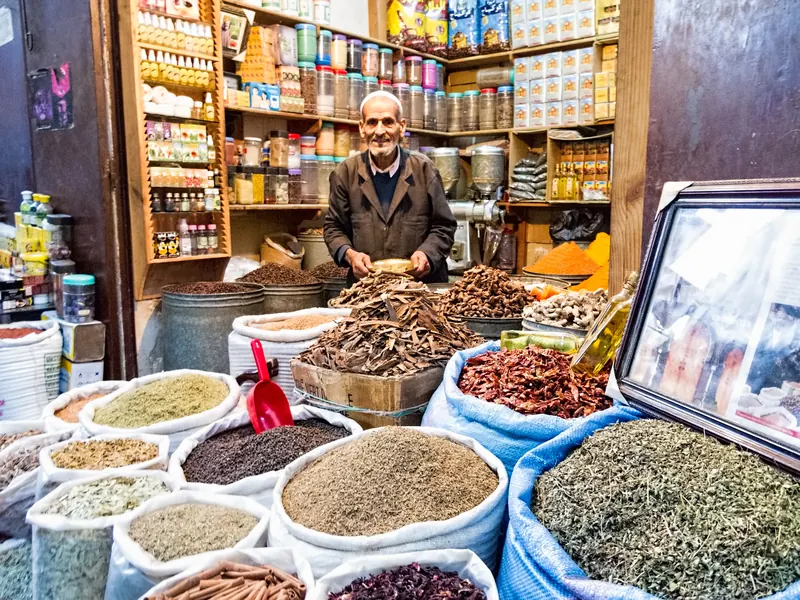
Allergy-aware choices: decide your risk before the menu
For a preference, you may be able to choose a simpler dish after a clear explanation from the kitchen. For an allergy, coeliac disease, pregnancy-related food restrictions or a condition requiring strict avoidance, decide first how much uncertainty you can accept. The UK government advises that allergen information in Morocco is not consistently provided and that cross-contamination risk may be higher than in the UK; it recommends making allergies clear and avoiding foods you are unsure about.4
A practical escalation is: choose a place where staff can discuss ingredients; state the ingredient and the seriousness in writing; ask about shared preparation; and keep a backup you can safely eat. If the answer is vague, change the meal rather than negotiating around uncertainty. For trip-wide meal planning beyond Fez, see the related vegetarian, vegan and allergy-aware Morocco dining guide.
This is not a medical guarantee. Follow the advice from your clinician for any prescribed medication or emergency plan, and do not assume that a translated phrase removes cross-contact risk.
A lower-risk approach to snacks, drinks and leftovers
Good food hygiene is about reducing risk, not finding a magic “safe” stall. The CDC advises washing hands before eating, choosing hot food served hot and cold food served cold, and being cautious with raw foods and ice when water quality is uncertain.3
In Fez, that translates into a modest checklist: choose food that is visibly hot when it should be hot; pass on a dish that has been sitting lukewarm; use a sealed drink if you are unsure about water; and skip leftovers if you cannot keep them properly cold. The CDC's Morocco destination page also directs travelers to safe food-and-water practices, while the FCDO advises seeking medical help if vomiting or diarrhoea does not improve after a few days.4
These precautions apply equally to a polished dining room, a café and an informal counter. They lower risk; they do not certify a provider or promise that you will not become ill.
A practical Fez food plan for one day
Start with a modest breakfast or a hot snack, then keep lunch flexible while you explore. Reserve a longer dinner only after deciding whether you want pastilla, a broth-and-bread dish or a simpler menu. If a specific Fassi dish matters, contact the restaurant or your accommodation beforehand with the ingredient and portion questions above.
This rhythm works better than chasing several specialties across the medina: it leaves time for navigation, hydration and a proper conversation with staff. For broader dish descriptions and ordering basics, use this traditional Moroccan food guide alongside the Fez-specific choices here.
One clear next step
If coordinating a table, dietary note or food experience feels like one more moving part of a Fez itinerary, the Maroc Mobility Personal Travel Assistant can help you arrange independent-provider options. Restaurant availability, menus, dietary handling, prices and payment terms remain the provider's responsibility, so confirm the final details directly with them.