What a Moroccan hammam is
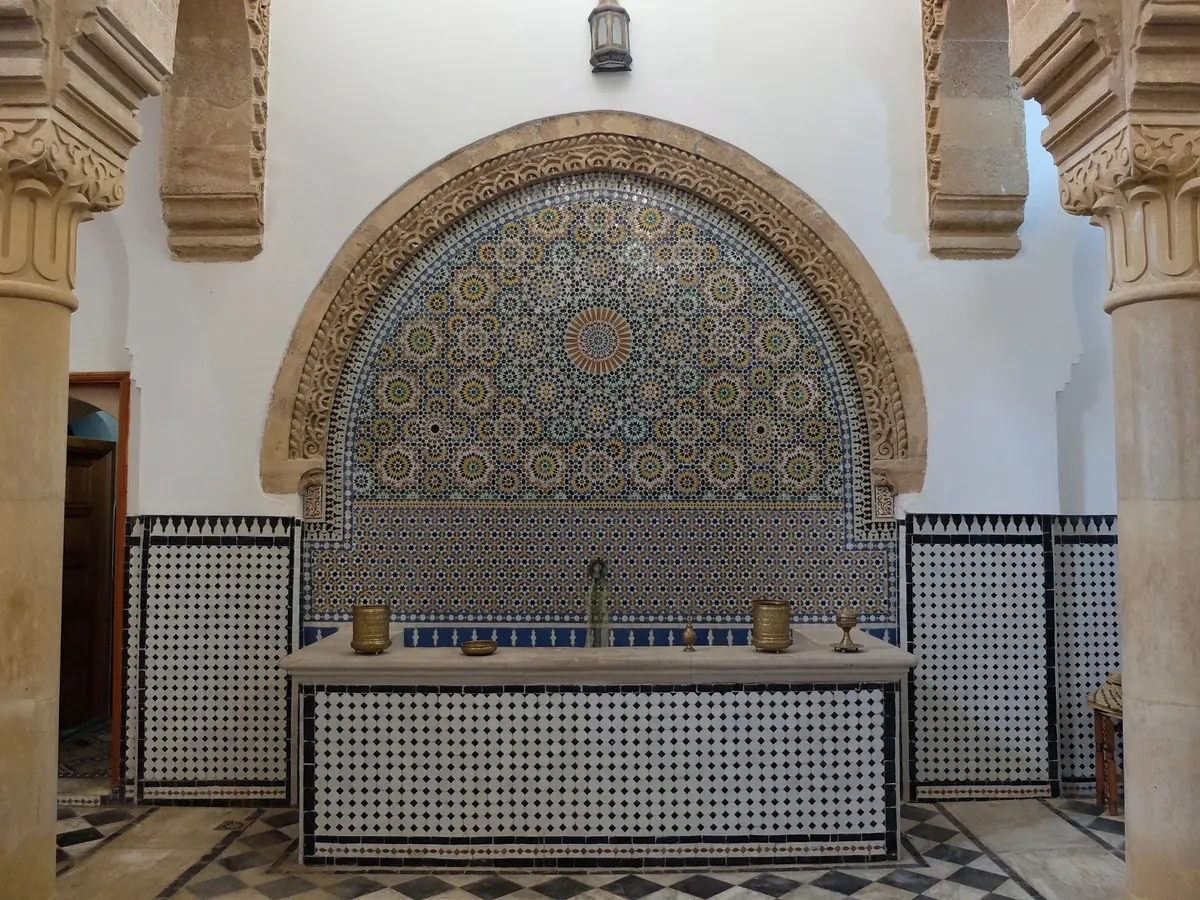
A Moroccan hammam is a communal bathhouse built around warm, humid rooms, washing and often vigorous exfoliation. The Arabic word hammam means bath or bathhouse. In Morocco, the neighborhood hammam has traditionally been more than a place to get clean: it is a shared community space where people bathe and socialize. That social role echoes the wider history of the hammam as both a hygiene institution and a meeting place across the Middle East and Mediterranean.1
For visitors, the phrase usually describes one of two things: a public neighborhood bath used by local residents, or a private hammam treatment in a hotel, riad or spa. Both may use steam, Moroccan black soap (often called savon beldi) and a textured kessa mitt. They are not interchangeable experiences. A neighborhood bath is communal and self-directed; a spa visit is more private, scheduled and guided by staff.2 3
The public bath gives you a glimpse of an everyday local ritual, but requires more comfort with shared spaces and less hand-holding. A spa version is easier to navigate if you want privacy, clear instructions or help communicating. Neither is the single “authentic” choice: choose based on your comfort and what kind of visit you want.
What happens during a hammam visit
Details differ by establishment, but a typical wash follows a simple pattern. You enter, change, warm up in a humid room, wash with soap, rinse and exfoliate. An attendant may perform the scrub in a treatment setting; at a neighborhood bath, visitors often bring their own supplies and wash themselves. Some places add hair washing, a clay mask, oil or a rest area, but those are venue-specific extras rather than a standard package.2 3
1. Change and prepare
At a spa, staff commonly explain where to change and what to wear; some supply a robe, towel, sandals or disposable underwear. A public bath may have a simpler changing area and fewer items supplied. Ask before entering what is provided and whether you should bring a towel, sandals, soap, a kessa and a change of underwear. Keep valuables to a minimum and follow the facility’s instructions about storage.
Dress norms vary by bath and by individual. Some bathers are nude in the washing rooms; others keep on underwear or bathing bottoms. A spa may provide disposable briefs. If you prefer more coverage, ask whether you can keep underwear or a swimsuit bottom on during the treatment. The important practical point is not to assume a single rule applies everywhere: confirm what is acceptable at the specific venue before you undress.2 3
2. Let your body adjust to the heat
Traditional baths may have a sequence of rooms at different temperatures, while a hotel hammam may use one treatment room. Start in the warmest area that feels comfortable rather than trying to copy someone else. Sit, wash gradually and step out if you feel light-headed or unwell. The hammam is not a test of endurance; you can shorten the time or skip a heat stage.
3. Wash, rinse and scrub
In many treatments, an attendant applies black soap, lets it sit briefly, then rinses it away before using the kessa mitt to exfoliate. At a public bath, people may use the mitt themselves or ask someone to help with hard-to-reach areas. The scrub can feel surprisingly firm, especially if you expect a gentle spa massage. It is an exfoliation, not a massage, and you do not need to tolerate pressure that hurts. Say “gentle, please,” point to an area to avoid, or ask the attendant to stop. You can also decline the scrub entirely.2 3
A useful boundary to state before the treatment is: “Please use light pressure and avoid my face.” Also mention any area you do not want touched, and ask what the attendant plans to do before they begin. If you would rather wash yourself, ask whether that option is available. You are allowed to change your mind during the session.
4. Rinse, dry and take a pause
After the scrub, the attendant or you rinse off. Some places finish with hair washing or a mask; others do not. Dry off, dress and take a few minutes to cool down before heading back into the day. Carry water and drink if thirsty. If the room feels too hot or you become dizzy, leave the heated area and tell staff.
Public hammam or hotel spa?
A neighborhood hammam is a shared bathing space, often separated by gender through separate rooms, entrances or operating times. It may be busy and conversational, with residents following their usual routines. You may need to bring your own toiletries and work out the process as you go. That can feel rewarding if you are curious about an everyday community setting, but less comfortable if you need privacy or detailed English-language guidance.2 3
A hotel, riad or spa hammam is typically arranged as a booked treatment. Staff guide you through the steps and may offer more privacy, a treatment menu or add-ons. It can be a better fit for a first visit, a traveler who prefers clear instructions, or anyone who wants a calmer setting. It is still a hammam-inspired treatment, but the atmosphere and ritual may differ from a public neighborhood bath.2 4
If the social setting matters more than pampering, ask your accommodation or a trusted local contact whether a public bath welcomes visitors and what to bring. Avoid walking into an unfamiliar bath assuming it operates like a tourist spa. If you prefer predictable arrangements, reserve a spa session directly and confirm treatment duration, clothing, attendant gender if important, what is included and the cancellation terms. Those details vary; do not infer them from another establishment’s offer.
Hammam etiquette and practical preparation
- Confirm the basics first. Ask about gender-specific hours, clothing, towels, footwear, supplies and whether an attendant-led scrub is available. Public baths may use different schedules for men and women; check locally rather than relying on a generic online schedule.1 3
- Bring only what you need. For a public bath, ask whether to bring a towel, clean underwear or swim bottoms, sandals, soap and a kessa mitt. Spas may supply most items. A small waterproof bag can keep toiletries together.
- Respect privacy. Treat the hammam as a bathing space, not a sightseeing attraction. Do not photograph people; ask staff before photographing architecture, and accept a no without argument. Keep your voice and movements considerate around other bathers.
- Communicate clearly about touch. Before an attendant begins, agree on whether you want the scrub, how firm it should be and which areas to avoid. Use simple words, gestures or a translation app before entering the steamy room. If you are uncomfortable, say so immediately.
- Consider your own heat tolerance and skin. Hammam heat and a rough exfoliating mitt are not for everyone. If you have a condition that makes heat or vigorous exfoliation a concern, ask a qualified health professional before booking. This is general comfort guidance, not a medical assessment.
A practical example: if you are staying in a Marrakech riad and want to try a hammam without figuring out a local bathhouse on arrival, ask the riad what its private treatment involves and what you will wear. If you want the community setting instead, ask a local contact to identify an appropriate public bath, confirm its current visitor arrangements and help you understand what supplies to bring. In either case, arrange boundaries before the scrub—not after it has started.
Common first-visit surprises
The biggest surprise is often how unlike a Western spa a local bath can feel. It may be functional rather than decorative, with people focused on washing and chatting rather than relaxation. Another is the scrub itself: the mitt is designed to exfoliate, so communicate if the pressure is too much. Finally, “hammam treatment” is not one fixed ritual. A private spa may bundle extras, while a public bath may simply provide rooms and water; ask precisely what your chosen venue offers.2 3 4
A hammam can be an absorbing cultural experience even if you skip the public version. Choose the format that lets you feel comfortable, informed and able to set your own boundaries. For help coordinating independent parts of a Morocco trip, Maroc Mobility’s Personal Travel Assistant is separate from hammam providers; the facility confirms and charges for its own services.