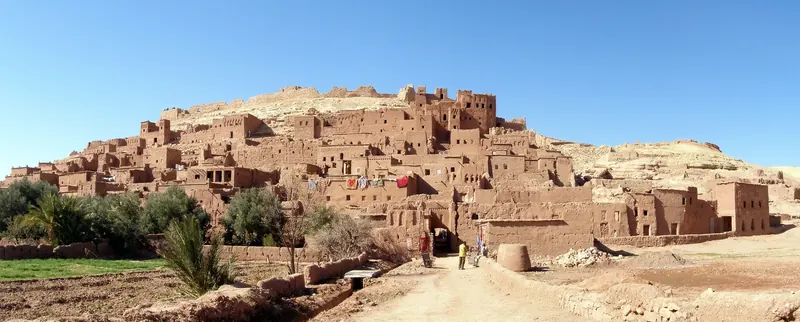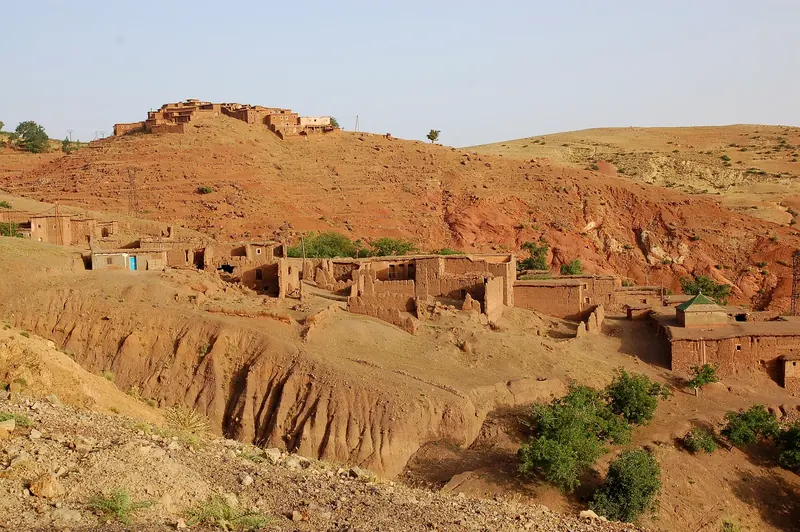
Start with the Kasbah and medina
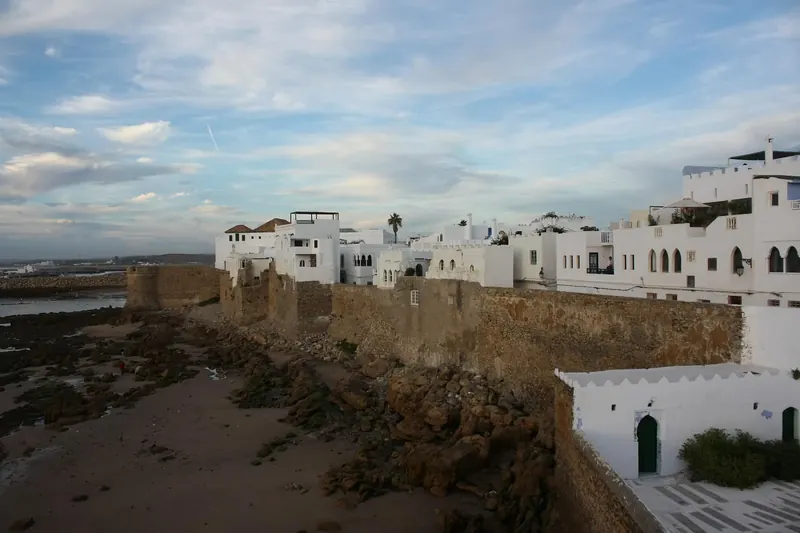
Tangier's most satisfying first-timer walk is a slow descent through the old city. Begin in the Kasbah, the fortified hilltop quarter, then take in the sea-facing outlook near Bab Al Bahr before following lanes toward the Petit Socco. Continue toward the Grand Socco, the broad square where the medina meets the newer city. This gives you a compact introduction to Tangier's layered architecture, everyday street life and sea-facing setting. Morocco's tourism office highlights the Kasbah, medina and La Mendoubia gardens among the city's signature stops. 1 2
Don't treat the medina like a checklist. Its value is in the transitions: shaded alleys opening into bright squares, small shops and doorways, and occasional glimpses toward the Strait. The lanes are steep and uneven in places, so wear shoes with grip, carry water, and allow time for pauses. Save a map pin for your lodging or an agreed meeting point; GPS can be imprecise in narrow streets. If you prefer a guided walk, agree the route, duration and any expected shopping stops in advance.
At the lower end, Petit Socco is a natural place to sit for tea or coffee and watch the square. Grand Socco offers a busier city edge and a useful landmark for re-orienting yourself. The official tourism description also connects the medina with Tangier's Hispano-Moorish heritage, craft traditions and cosmopolitan history. 2
Choose a museum that matches your interests
The Kasbah Museum of Mediterranean Cultures is an easy fit with a Kasbah walk. It occupies the former palace complex and offers a way to put the region's long history and material culture into context. Lonely Planet points out archaeological and historical exhibits as well as the setting itself. 3 Exhibits and access arrangements can change, so check the museum's current information before you plan around a specific gallery. If you have limited time, choose one museum rather than rushing through several.
The Tangier American Legation Museum is a distinctive stop for visitors interested in diplomacy, art and cross-cultural history. The institution says the building was a gift from Morocco's sultan to the United States in 1821, served as a U.S. diplomatic mission for more than 140 years, and now operates as a museum, research and cultural center. 4 Its courtyard and rooms offer a very different perspective from the Kasbah Museum. Check its own site for current visiting hours and any closures before you go; don't rely on a schedule copied from an old guide.
If you're more interested in modern culture, look for current exhibitions or film screenings rather than assuming every venue has the same program year-round. Tangier's historic Cinema Rif at Grand Socco is home to the Cinémathèque de Tanger, but screening times and programming are date-specific. 3 Confirm directly if this is a priority.
Take a café break, then walk the seafront
Tangier's cafés are an activity in their own right. In the medina, choose a terrace around Petit Socco for a convenient pause between sights. Café Hafa, perched above the water beyond the historic center, is known for its tiered terraces and broad views over the Strait; it works especially well if you want a destination café rather than a quick stop. 3 5 Views and atmosphere depend on weather and crowd levels, so don't build a whole day around a single sunset table.
For an easier, flatter contrast to the old city, take a stroll along the Corniche and bayfront. It suits a relaxed late afternoon, especially if you've already spent hours on the Kasbah's slopes. The main city beach is a place to walk and observe the waterfront; don't assume it will feel like a secluded beach escape. For swimming, check current conditions and facilities locally. Lonely Planet describes the Corniche as a long seafront promenade and recommends it as a distinct urban experience. 3
Make time for Cap Spartel and the Caves of Hercules
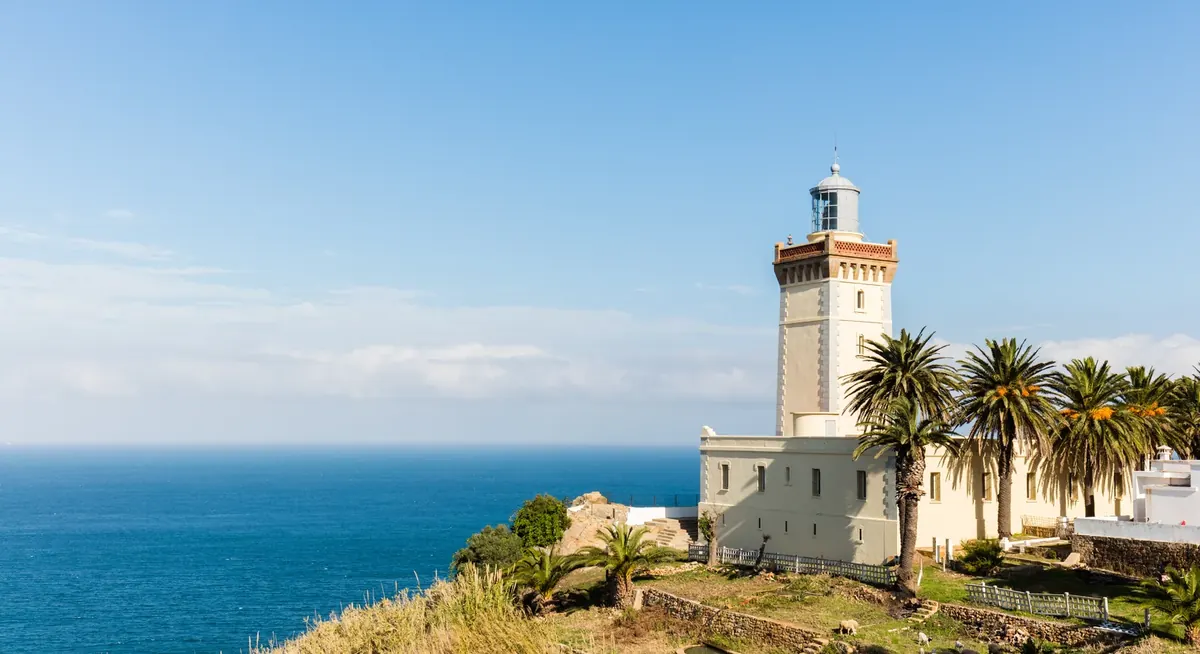
Tangier's best-known nearby coastal sights are west of the central city. Cap Spartel is a dramatic headland with a historic lighthouse and expansive views where the Atlantic and Mediterranean waters meet. The national tourism office lists it and the Caves of Hercules among the leading attractions in and around Tangier. 1 The lighthouse is a fitting photo stop, but confirm on-site access if you hope to enter any visitor facility.
The Caves of Hercules are a natural and visitor attraction associated with the Hercules legend; the sea-facing opening is often photographed. Think of the caves and Cape Spartel as one outing rather than trying to squeeze them between central museums. Independent travel coverage describes them as separate from the medina and typically reached by road. 3 5 Before leaving, agree a return plan with your driver or check the relevant transport option; don't assume a car will be waiting when you're ready to leave. If travelling with children or anyone with limited mobility, ask the site about stairs, surfaces and access before committing.
A garden stop is another good choice if you have extra time. La Mendoubia, close to the medina, offers a leafy pause within the city, while Rmilat (Perdicaris) Park lies farther west in the coastal landscape. The national tourism office names La Mendoubia among Tangier's popular sights, and Lonely Planet describes Rmilat as a forest park with walking paths and views. 1 5 Check current access and conditions, especially if visiting late in the day.
A realistic one- or two-day Tangier itinerary
One day: Start in the Kasbah while you have energy for the uphill lanes and viewpoints. Visit either the Kasbah Museum or the American Legation, not both if you want an unhurried pace. Descend through the medina toward Petit Socco for a café break, then continue to Grand Socco. In late afternoon, choose the Corniche for an easy waterfront walk or take a pre-arranged ride to Café Hafa. Keep Cap Spartel and the caves for another visit unless you have enough hours and a confirmed ride.
Two days: Use day one for the Kasbah, museum, medina and cafés. On day two, arrange a half-day coastal loop to Cap Spartel and the Caves of Hercules, with time to stop at a beach viewpoint if conditions and transport allow. Return to town for the Corniche or dinner. If you prefer gardens to another museum, substitute La Mendoubia or Rmilat.
Central Tangier is best explored on foot, but distances beyond the center are better handled by a taxi or other arranged transport. Lonely Planet's practical guide distinguishes the walkable historic center from farther coastal attractions. 5 For accessibility, ask your accommodation or venue about step-free approaches and drop-off points; the hilly, uneven old-city lanes may not suit every traveler. Families may find one museum plus a long café stop easier than stacking indoor visits. Anyone with dietary requirements should confirm ingredients directly with a restaurant, since menus and kitchen practices vary.
If local route planning or coordination would make the visit easier, Maroc Mobility offers a Personal Travel Assistant through its services page; sightseeing providers remain independent and confirm their own availability and charges.