Why Rabat is worth exploring
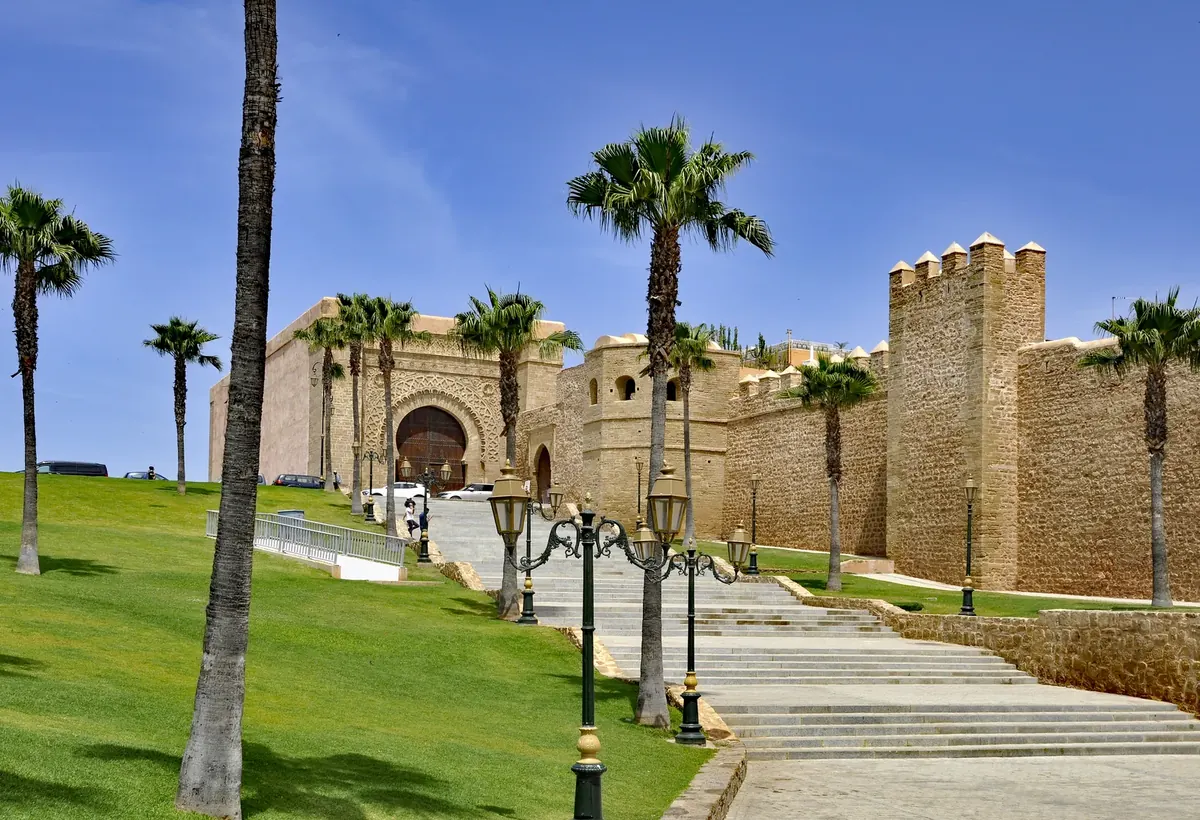
Rabat is not simply a quieter stop between Morocco’s more famous cities. Its UNESCO-listed historic city brings together an old medina and kasbah, Almohad-era remains, and a modern capital shaped in the early twentieth century. The result is a city where broad avenues and civic buildings sit alongside older walls, gardens, and the Atlantic-facing Bou Regreg estuary. UNESCO describes the World Heritage property as including both the historic urban fabric and the modern town built from 1912 into the 1930s.1
That mix makes Rabat especially rewarding if you enjoy architecture and atmosphere as much as shopping. You can move from a walled quarter to a ceremonial monument, then spend the afternoon in a garden or museum. The main sights are not all in one tight cluster, so organize your visit by district and avoid trying to see every major site in a rushed half-day.
Start at the Kasbah of the Udayas
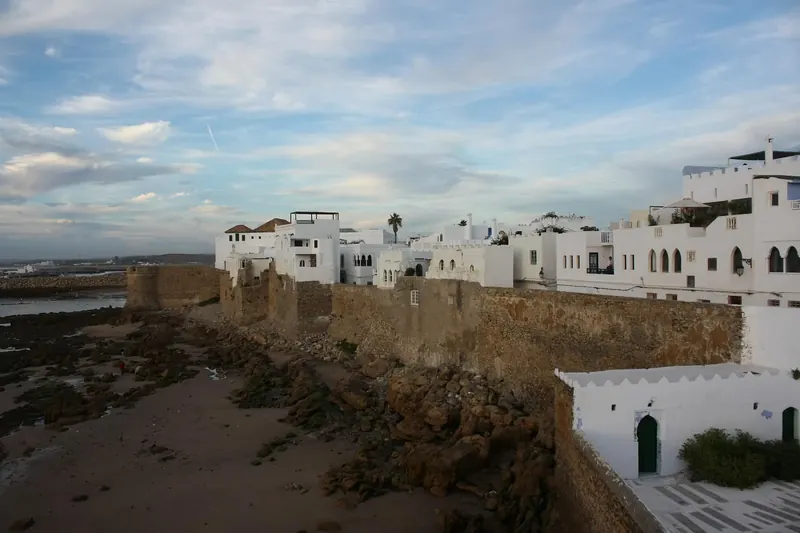
The Kasbah of the Udayas is one of Rabat’s most distinctive places to wander. Enter through its monumental gate and follow the narrow lanes between whitewashed and blue-painted houses. Its elevated position looks toward the river mouth and the Atlantic, giving you a sense of how the city meets the water. The Moroccan National Tourism Office highlights the kasbah and its gardens among the city’s signature attractions.2
Take time for the Andalusian Gardens if they are open, and leave space simply to look out over the water. The point here is not to race through a list of landmarks: the kasbah is a lived urban quarter, and its small lanes are best explored slowly and respectfully. Avoid blocking doorways for photos; ask before photographing people.
The river separates Rabat from Salé, and the wider waterfront offers a different perspective from the enclosed lanes. If you want to extend the outing, check locally whether a river crossing or boat service is operating and where it departs; do not assume a service runs on a particular timetable. The Atlantic is close, but the coast is not automatically a safe or suitable swimming spot on any given day. Check local conditions and posted guidance before entering the water.
See Hassan Tower and the Mausoleum of Mohammed V
Hassan Tower and the Mausoleum of Mohammed V form a natural second stop. Hassan Tower is the unfinished minaret of a mosque project begun in the twelfth century; its surrounding columns make the scale of the original plan visible outdoors. UNESCO identifies the Hassan Mosque, begun in 1184, among Rabat’s important historic remains.1
Across the esplanade, the mausoleum is a carefully maintained royal monument and a place of national significance. Dress modestly, speak quietly, and follow posted visitor instructions. These sites are close enough to combine without transport, but leave time to appreciate the details rather than treating them as interchangeable photo stops. Confirm current opening arrangements before visiting, especially around holidays or official events.
Walk the Rabat Medina
Rabat’s medina offers an approachable way to experience everyday old-city streets. Browse the souks, look for local craft and household goods, and pause at a café if you want a slower interlude. Unlike a planned shopping mall, the medina’s pleasure is partly in following a lane and discovering what is there; keep your route oriented to a known gate or landmark if you are unfamiliar with the layout. Lonely Planet also describes the medina as easier to navigate than some visitors expect, with shopping streets and historic character.3
If you intend to buy something, ask the price before agreeing to a service or purchase, and negotiate courteously where bargaining is customary. Keep your phone and wallet secure in crowded lanes. The U.S. State Department advises travelers in Morocco to remain alert in tourist areas and protect valuables, including in crowded markets.4 This is general country guidance, not a Rabat-specific threat rating.
Explore Chellah’s layers of history
Chellah, a walled archaeological site and garden, is a compelling contrast to the bustle of the medina. Its remains reflect successive periods of settlement, and the green setting gives the visit a quieter, more spacious feel. The national tourism office describes the site as a necropolis associated with the Merinid period and highlights its older remains and gardens.2
Give Chellah its own unhurried visit rather than squeezing it between two nearby stops. Paths and surfaces may be uneven, so choose shoes with a secure sole and consider mobility needs before you go. Current access, opening times, restoration work, and admission arrangements can change; check the site or local tourism office close to your visit.
Add a museum, gardens, or modern Rabat
For indoor culture, look at the Mohammed VI Museum of Modern and Contemporary Art, which the official tourism office lists among Rabat’s essentials.2 Check the museum’s current exhibitions, visiting hours, and any temporary closures directly before making it the centerpiece of a day. A museum visit is a good choice in hot weather or when you want a change from outdoor monuments.
Rabat’s modern districts are also worth noticing. UNESCO’s account emphasizes the planned New Town, its civic and commercial buildings, and the Jardins d’Essais botanical and pleasure gardens as part of the city’s heritage.1 A walk through central avenues offers a glimpse of a different Rabat: shaded streets, public buildings, and a more spacious urban rhythm. If gardens are your priority, confirm which grounds are open and their current conditions. The Exotic Gardens of Bouknadel are beyond the central sights, so treat them as a separate outing rather than an add-on squeezed into a short city walk.2
Make room for the Atlantic coast
Rabat’s coast is part of its character, whether you want a sea view, a breezy walk, or time around the beach. The official tourism board describes the region’s Atlantic shoreline and beaches as a major attraction.2 A visit to the coast can be a pleasant change after a day among monuments, but swimming and surf conditions are variable. Use lifeguarded or locally recommended areas when available, heed flags and posted warnings, and do not assume a beach is supervised. If the sea is rough, enjoy the view from shore instead.
For a sunset, consider returning to an elevated viewpoint near the kasbah or choosing a waterfront walk. Keep an eye on the time and your route back; avoid isolated stretches after dark. The State Department’s current national advisory recommends awareness and extra care in tourist and public areas, and advises avoiding isolated beaches after dark.4 Check the live advisory before travel because it can change.
A practical one-day or two-day plan
One full day: Begin with the Kasbah of the Udayas and nearby gardens, then walk through the medina for a browse and lunch. In the afternoon, visit Hassan Tower and the Mausoleum of Mohammed V. This plan concentrates on the historic core and leaves little room for a full Chellah visit or a museum, so choose one rather than overloading the schedule.
Two days: Use the first day for the kasbah, medina, Hassan Tower, and mausoleum. On the second, make Chellah the main visit, then choose the modern-art museum, a garden, or a coastal walk based on your interests and what is open. Keep transport flexible: some central sights work well on foot, while Chellah and outlying gardens may call for a taxi or transit connection. Check the current tram network and service information locally rather than relying on old timetables.
A Rabat day trip from another Moroccan city is possible if your transport times line up, but do not plan around assumed schedules. Confirm the return connection before you go, particularly if you have a fixed evening departure. If you have the choice, an overnight stay makes it easier to see the city at a calmer pace and enjoy the coast without watching the clock.
What to plan before you go
Wear comfortable shoes for uneven stone, stairs, and long stretches on foot. Carry water, sun protection, and a light layer for breezier coastal weather. Families can make the day easier by alternating site visits with garden or café breaks; check stroller access at specific sites, as historic paths and steps may be challenging. Travelers with limited mobility should confirm entrances, surface conditions, and accessible facilities directly with each attraction.
If you are visiting during a holiday, festival, or a period of official events, verify access and traffic conditions close to the date. Bring a small amount of local cash for minor purchases while keeping valuables secure. For current U.S. safety and travel notices, consult the State Department’s Morocco advisory.4 If you would value help coordinating questions across a Morocco itinerary, see the Personal Travel Assistant service; local attraction providers set their own availability, terms, and charges.