Is Morocco a good fit for a solo woman?
Women travel independently in Morocco, and a solo itinerary can include cities, coast and countryside. It is not honest to promise that it is universally safe or that a particular outfit, guide or neighborhood removes risk. The U.S. State Department says women may encounter verbal harassment, unwanted attention or inappropriate touching, especially in crowds; Canada likewise warns of harassment and verbal abuse for women traveling alone. These warnings describe possible experiences, not a prediction for every visitor. 1 4
The more useful question is what level of uncertainty feels manageable to you. If you are new to solo travel, arrive in daylight, reserve a place that responds clearly to messages and arrange the first transfer in advance. If you already travel confidently, you may prefer to use a train or coach between cities and book a local guide only for a first orientation or a specific activity. Add support selectively rather than treating a fully escorted trip as the only option.
Plan the first day, not every minute
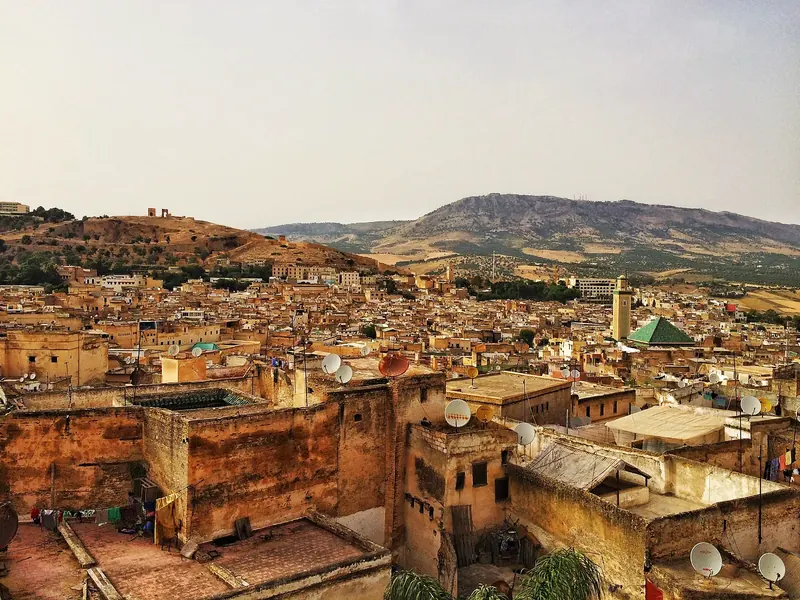
Choose lodging by more than its photographs. Read recent guest reviews for comments about finding the entrance, check-in hours, staff presence and noise. Ask in writing whether the property can arrange a pickup, where the driver will meet you, how to identify them, and what to do if your flight is delayed. A medina riad may offer atmosphere and staff help, but a car often cannot reach the door; confirm the final walking segment and luggage assistance. A hotel outside the old quarter may be easier to reach by vehicle but less convenient for wandering the historic center.
For example, if your flight lands after dark, you might choose a first-night hotel with a clear vehicle entrance and confirmed transfer, then move to a medina guesthouse the next morning. That is a comfort decision, not a rule that a riad is unsafe. The U.S. State Department’s general women-traveler guidance recommends arranging airport transport with a reputable licensed company and making sure someone trusted knows your plans. 2
Keep the first evening simple: check in, save the property’s phone number offline, ask staff which nearby streets are busy and well-lit, and eat close to your lodging. If you get turned around, go into an open shop, hotel or café and contact your host rather than following an unsolicited stranger who offers to lead you. If hiring a guide in a medina, the UK FCDO advises checking for an official badge and local-authority permission. 3
Clothing and cultural context without blame
There is no single outfit that fits every setting or visitor. The UK FCDO advises women may receive unwanted attention, especially when alone, and suggests loose-fitting clothing that covers arms, legs and chest. 3 Think of that as one practical option for blending into a more conservative setting or feeling less exposed—not as a requirement, a guarantee, or an explanation for harassment. Women can experience unwanted behavior regardless of what they wear.
A light overshirt, loose trousers or a long skirt can be useful for sun, dust and visiting conservative areas. Pack clothes you can comfortably walk in, plus a layer for cooler evenings or air-conditioned transport. At a pool or beach, follow the venue’s norms; on a public beach, consider how comfortable you feel and ask your accommodation about the particular location. Customs vary between neighborhoods and towns, so a host can give more useful context than a blanket rule.
Treat interactions as individual, not as a test of national character. A warm welcome, a shopkeeper’s conversation and a pushy approach are not interchangeable. You can be friendly while keeping a clear boundary: a brief “no, thank you,” continuing toward your destination, or not engaging are all valid choices. You do not owe a stranger conversation, a smile, an explanation or politeness at the expense of your comfort.
Getting around alone
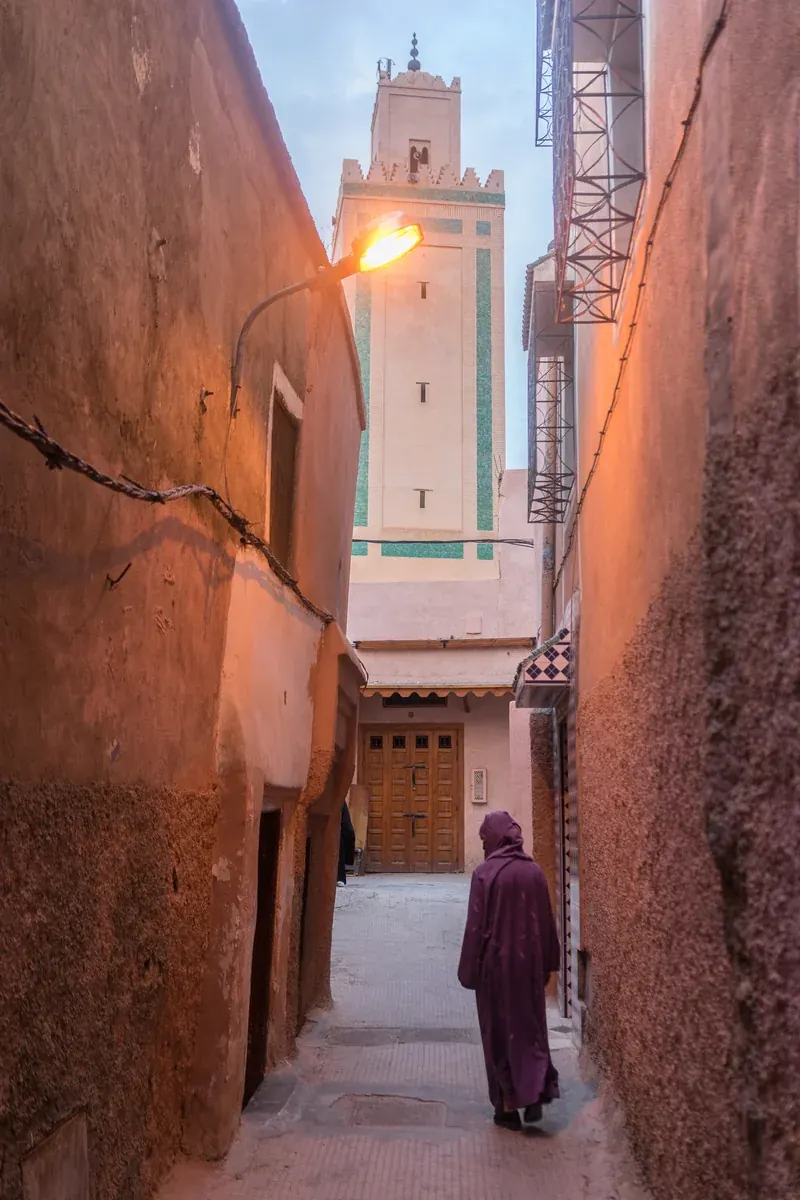
In busy medinas, uneven paving, scooters, crowds and confusing lanes can make navigation tiring. Keep your phone and valuables secure, download a map for offline use, and save your lodging pin and contact details. Canada’s advisory recommends staying on main roads in medinas and securing passports and travel documents. 4 Visit a new area in daylight first if that helps you understand the route. Ask staff which gate, landmark or taxi drop-off point to use when returning.
For intercity travel, compare the route, departure time, arrival location and last-mile transfer before buying a ticket. Check current operator information close to travel; do not assume an arrival station is beside your accommodation. On arrival, walk toward official station staff or a pre-agreed pickup point instead of accepting an unsolicited ride.
For taxis, confirm the destination and fare or meter arrangement before departure, and trust your judgment if the car or interaction feels wrong. UK advice cautions that late-night petit taxi journeys deserve extra care and notes drivers may collect other passengers. 3 If you are uncomfortable, ask to stop at a busy, well-lit place and get out when safe. Do not rely on an app or service unless it is actually available and appropriately licensed where you are.
For Atlas hiking or remote excursions, do not treat a marked route as a substitute for local conditions. The FCDO recommends a professional guide for Atlas hikes and says to check provider safety and insurance for adventure activities. 3 Ask who leads the outing, what is included, how the group returns, and what happens if weather changes. A small-group outing can provide company without requiring you to join a multi-day escorted tour.
A simple personal safety plan
Before leaving each day, tell a trusted person where you expect to be and when you will check in. Keep a charged phone, a backup way to access money, and the address of your lodging written down. Share trip details, not necessarily your live location publicly. If you use dating apps or meet someone new, arrange an initial meeting in a public place, tell someone the plan and keep control of your own transport and return route; the State Department specifically advises public meetings and a communication plan for dating-app use abroad. 1
If someone persists or blocks your path, prioritize getting to a staffed public place. Use a firm voice if that feels safe, contact your host or a trusted person, and seek local help if the situation escalates. Your response should fit the moment: ignoring a comment may be easiest; in another situation you may want to speak up or ask a shopkeeper, hotel employee or police officer for assistance. There is no perfect script, and the responsibility lies with the person behaving badly.
For U.S. citizens, enroll in the State Department’s free Smart Traveler Enrollment Program (STEP) before travel and review the latest Morocco advisory and embassy contact guidance. The advisory notes that police response can be inconsistent, so preserve relevant details and seek help from your consulate as appropriate. 1 2
Make the itinerary fit your comfort level
A first-time solo visitor might spend the first two nights in one city, book a daylight arrival and a short guided orientation, then decide whether to explore independently. An experienced traveler may be comfortable using public transport between major cities and arranging a driver only for a remote route. If crowds, heat, mobility needs or sensory overload are concerns, plan shorter days and lodging with easier vehicle access. For dietary needs, send a clear written description to the accommodation or restaurant in advance rather than relying on a rushed translation at the table.
It is also fine to change plans. Leave a venue if the atmosphere feels wrong; skip a late walk; pay for a transfer that reduces stress; or take a rest day. These are practical travel choices, not evidence that you have failed at solo travel. For help comparing the service-planning options that Maroc Mobility provides, see /services; the paid Personal Travel Assistant is separate from transport, lodging and activity providers, who confirm and charge for their own products.