Choose the shape of the trip before choosing hotels
A Morocco honeymoon works best when it feels like a shared journey, not a race through a checklist. For most couples, the key decision is whether to build around Marrakech and one contrasting region, or devote enough time to cross the Atlas and reach the Sahara. A focused route gives you more slow mornings, unhurried meals and room to change plans; adding Fez, Chefchaouen and the coast to a short trip usually means trading those moments for transfers.
Morocco packs Atlantic and Mediterranean coasts, the Rif and Atlas mountains, inland cities and Saharan landscapes into one country. That diversity is the appeal, but it also means climate and travel conditions vary by region. The national tourism office describes spring and fall as the preferred seasons for desert visits, while coastal and mountain areas have their own patterns. Pick dates for the regions you care about, then check local conditions and services close to travel. 1
Three romantic route styles
7–9 days: Marrakech plus the Atlantic
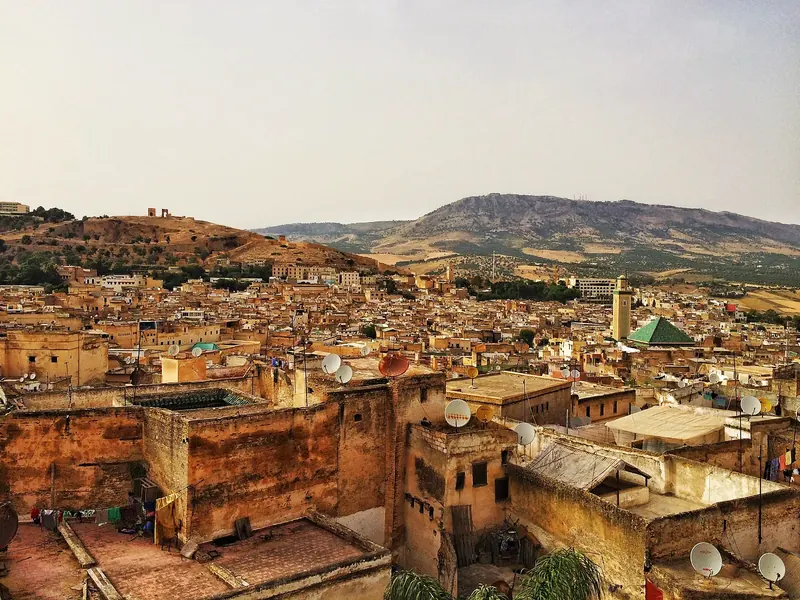
Use Marrakech as a two- or three-night base, then spend the rest of the trip in Essaouira. In Marrakech, choose a riad or hotel for the experience you want: a small courtyard property creates an intimate, tucked-away feel, while a hotel outside the medina may mean easier vehicle access, larger facilities and less sensory intensity. The old medina is a living historic district with lanes, souks, residences and monuments, not a quiet resort zone. UNESCO describes its historic urban fabric and major landmarks; expect active street life as well as beauty. 2
Plan one structured day for a palace, garden or guided medina walk, then leave another day loose. For an anniversary dinner or private hammam, ask the property what is included, whether the treatment is private or communal, the duration, cancellation terms and whether you need to reserve. A special experience is more relaxing when you have not booked every hour around it.
Essaouira adds ocean air, ramparts and a slower small-city rhythm. It is a better fit for couples who want coastal walks, seafood and time in a compact old town than for travelers expecting a reliably warm, still-water beach holiday. Morocco's official destination listings treat Essaouira as both a medina and beach destination; the coast is a distinct climate zone from inland Marrakech. 1 Stay at least two nights if you can, rather than arriving for a rushed day trip.
10–12 days: Marrakech, Atlas foothills and coast
For a less hurried trip, pair Marrakech with a one- or two-night mountain stay and finish on the coast. The Atlas is not a single resort area: villages, elevations, road access and activities differ. Choose a stay based on the actual location and transfer arrangement, not a broad “Atlas” label. Ask how long the door-to-door transfer takes on your dates, what happens if weather affects a mountain outing, and whether meals or guided walks are included.
This route gives you a change of scenery without making the Sahara a compulsory stop. It suits couples who would rather have a beautiful lodge, a walk and a long lunch than spend multiple days on the road to see dunes. Official tourism information highlights Morocco's mountain landscapes and coastal destinations as distinct experiences. 1
12–14+ days: add the Sahara only if it is a priority
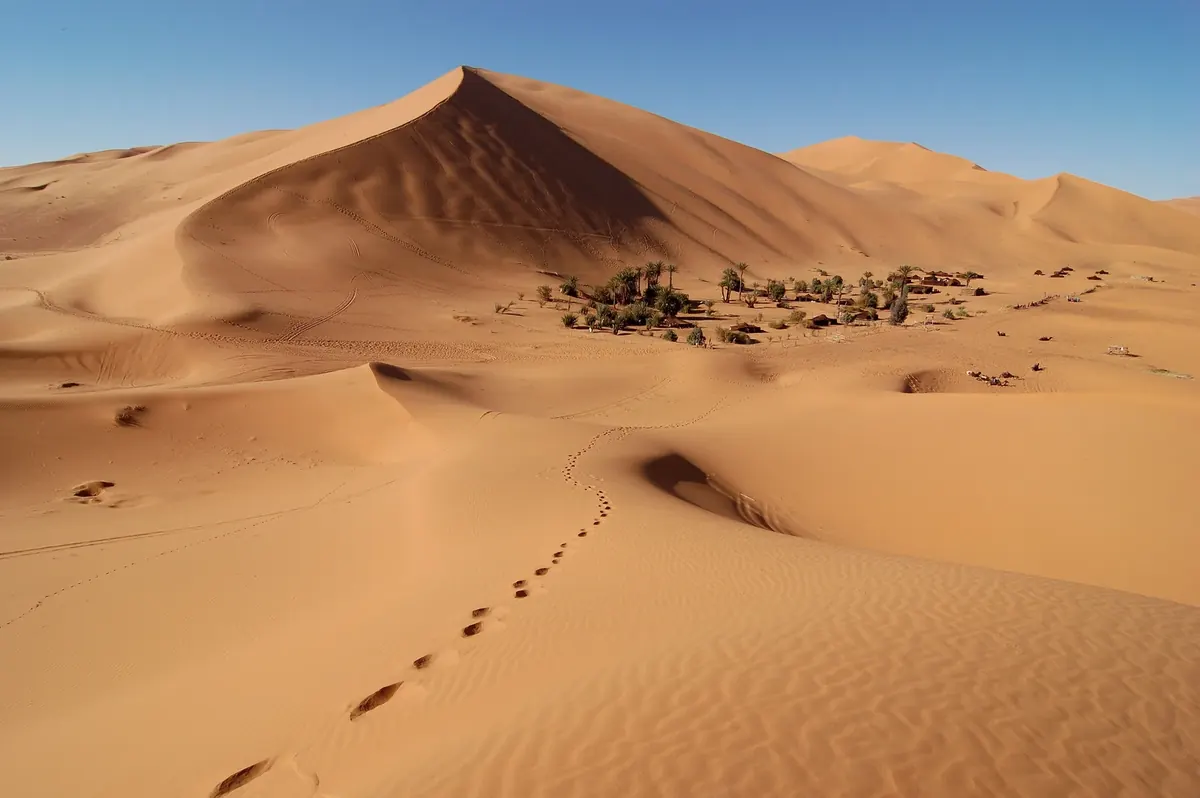
Erg Chebbi near Merzouga is a true dune landscape, but reaching it from Marrakech is a substantial overland journey. Do not treat “desert night” as a short excursion on the way to something else. A multi-day route typically involves long driving days and overnight stops; the experience depends heavily on the vehicle, route, camp location and included activities. A reputable independent itinerary guide likewise recommends not stuffing too many far-apart destinations into a short visit. 4
For a honeymoon, choose this option when you genuinely want the journey as well as the dunes. Compare a shared tour, private driver or self-drive on more than headline price: ask about daily drive hours, stops, accommodation category, bathroom arrangements, luggage, guide, meals, camp access and what “private” means. Confirm whether a camel ride is optional and whether there is a walking or vehicle alternative. Desert evenings can be cool, and spring/fall are identified by Morocco's tourism office as the preferred desert seasons; verify the forecast and camp facilities for your dates. 1
If the schedule cannot spare the overland time, do not substitute Agafay outside Marrakech and call it the Sahara. Agafay is a rocky, arid landscape, not the high dunes of Erg Chebbi. It can still make a convenient overnight escape, but choose it for proximity and open scenery, not dune expectations.
Make transport part of the romance
Use trains for city pairs on the rail network when the exact origin and destination are convenient. Check the official ONCF journey planner and buy for your date rather than assuming a remembered timetable still applies. Rail will not take you to a medina door or remote mountain lodge, so include the station-to-hotel transfer in your plan. The railway operator’s current planner is at ONCF.
For the coast, mountains or desert, compare coach, private transfer and rental car. A private driver can preserve flexibility and remove navigation and parking decisions, but agree on the itinerary, waiting time, overnight arrangements, vehicle capacity, inclusions and payment terms directly with the provider. A rental car gives independence but makes one of you responsible for driving, parking and route decisions. If both want a glass of wine with dinner, for instance, arrange a walkable evening or confirmed ride rather than assuming you can drive back.
Avoid booking a late arrival followed by a long mountain or desert transfer unless the operator has clearly confirmed the plan. Leave a buffer before an international flight and avoid stacking a special dinner immediately after a long transfer. These are simple ways to protect the mood when delays or fatigue happen.
Pick a stay by the details that matter to you
“Romantic riad” is not a useful specification by itself. Before paying, confirm the exact location and how luggage reaches the door, whether there are stairs, whether the room has a private bathroom and air-conditioning or heating if relevant, how noise carries into the courtyard, and whether airport or station pickup is actually included. In a medina, some properties cannot be reached by car; confirm the final walking route and arrange help with bags if needed.
Read cancellation terms and check what the rate includes. A rooftop, plunge pool or spa may be shared, seasonal or separately charged. Ask for written confirmation of a private dinner, room decoration or treatment rather than relying on a general “honeymoon package” phrase. Official tourism materials describe accommodation options spanning riads, hotels, bivouacs and other categories, so compare the specific facilities rather than assuming a label means a standard.
Practical planning for two
Agree on your shared “must have” first: quiet, food, architecture, beach, adventure or comfort. Then set a pace both enjoy. One person may love bargaining and dense medinas; the other may prefer a guided introduction and quiet afternoons. Book one anchor activity per day at most and protect flexible time.
For meals, tell restaurants about allergies or dietary requirements clearly and in advance; do not assume that a dish name guarantees a particular recipe. If you want a special occasion meal, confirm reservation time, menu, drinks and transport back to your stay. Pack a modest layer for religious or rural settings and comfortable shoes for uneven paving; the wind and temperature can differ between the coast, mountains and inland areas.
U.S. travelers should check current entry rules, passport validity and travel advisories through the U.S. State Department country information page and other official sources before departure; requirements depend on individual circumstances and can change. Keep copies of key reservations and save offline maps for the medina and transfer locations. For personal assistance with coordinating trip logistics, Maroc Mobility offers one Personal Travel Assistant at $20 per inclusive Morocco calendar day; independently delivered hotels, drivers, meals and experiences are arranged and charged separately.
A sample 10-night plan
A balanced outline might be: three nights in Marrakech; two nights in an Atlas foothills stay; then three nights in Essaouira; and two final nights back in Marrakech if your flight leaves from there. This avoids returning to the airport immediately after a cross-country transfer and gives the trip a softer ending. If desert dunes are your priority, replace the mountain-and-coast combination with a dedicated multi-day Sahara loop and add nights rather than squeezing it into the same ten days.
Before confirming deposits, map every overnight against your arrival and departure airports, check the transfer mode between each stop, and make sure the hotel can explain the final drop-off. A honeymoon itinerary is practical when the travel days are acknowledged honestly and the romantic parts are not all scheduled at the end of an exhausting day.