The short version: pack for several climates
A good Morocco packing list is a compact capsule, not a pile of outfits. Start with breathable tops, loose trousers or a long skirt, comfortable shoes, sun protection and a light layer. Then tailor the extras to your route: a wind-resistant layer for the Atlantic, warmer clothes for mountain elevations or winter desert nights, and hiking footwear only if you have an actual trek planned. Morocco’s coast, inland areas, Rif and Atlas ranges, and Sahara are shaped by different geographic and climatic influences. The national tourism office describes the coast as breezy, inland areas as more continental, and spring and fall as favored Sahara seasons. 2 3
Check a current forecast for each stop a few days before departure and again before any mountain or desert excursion. Climate descriptions help you choose layers, but they are not a trip-date forecast.
Clothes for medinas, cities and evenings
For daytime walking, pack tops that breathe and bottoms that let you move freely. A useful starting point for a week is four or five tops, two or three bottoms, one modest outfit that feels comfortable for a religious or formal setting, sleepwear, underwear and socks. Adjust that count for laundry access and your own comfort; it is a planning example, not a rule. Neutral items that combine easily mean fewer pieces and simpler outfit choices.
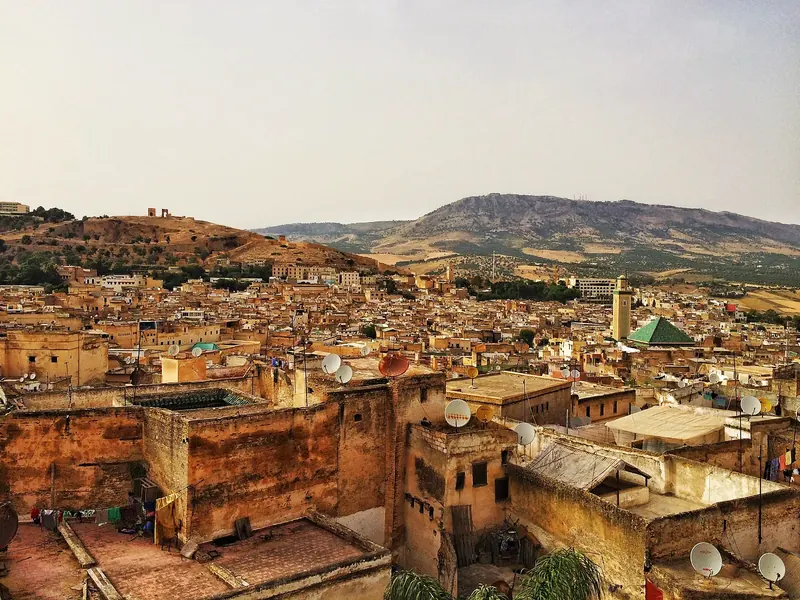
Loose-fitting clothing that covers shoulders, chest and thighs is a practical default in busy medinas and smaller towns. It can help visitors feel comfortable and show respect for local customs, while remaining a personal choice rather than a legal dress code. The UK Foreign, Commonwealth & Development Office specifically advises women to consider loose clothing covering arms, legs and chest; its broader advice asks visitors to respect local traditions and customs. 4 A lightweight scarf or overshirt is versatile for sun, wind, air-conditioned transport and an extra bit of coverage when you want it.
Pack one thin cardigan, fleece or overshirt even for a warm-weather city trip. It is easy to underestimate how much cooler a breezy evening or air-conditioned coach can feel after a hot afternoon. In winter, add a warmer jacket and socks rather than expecting one outfit to work everywhere.
What changes for the coast, mountains and desert
Atlantic and Mediterranean coast
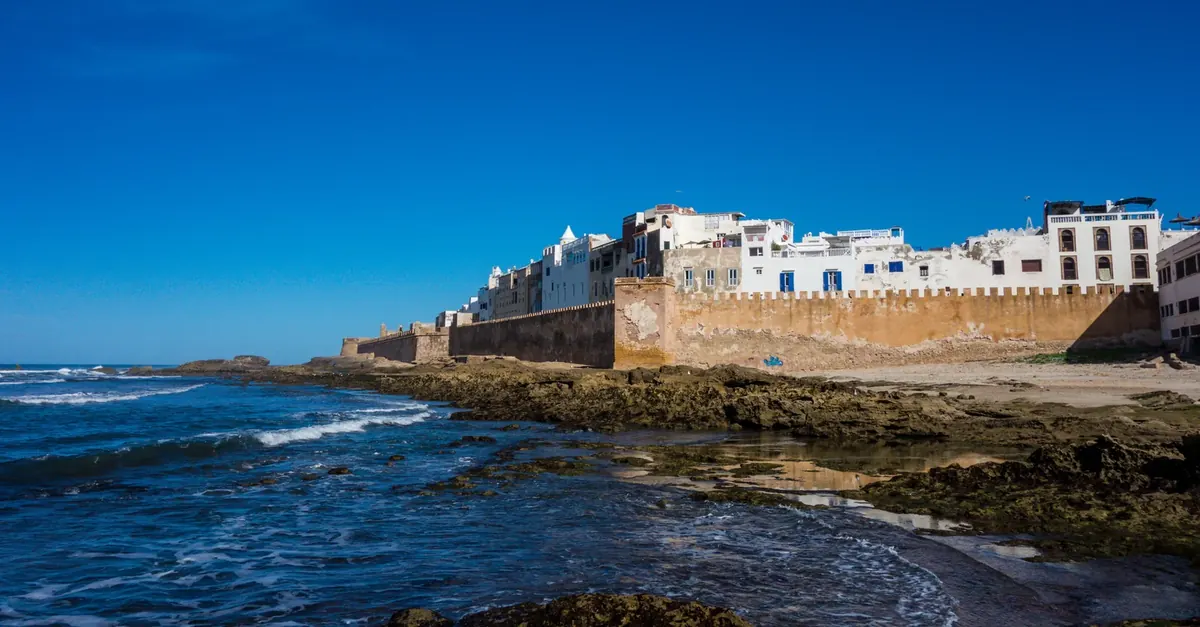
For Essaouira, Agadir or another seaside stop, bring a light windbreaker or overshirt. Ocean air can make a sunny day feel cooler, and a loose scarf can keep hair and face comfortable in wind. Add swimwear if you plan to swim, plus a cover-up for walking away from the beach. Pack quick-drying clothes if you expect to alternate between beach time and city sightseeing.
Atlas Mountains and hiking
Elevation changes the packing equation. Bring a warm mid-layer, rain shell if the forecast calls for it, sturdy shoes with grip, and a small daypack for water, snacks and sun protection. Do not treat city sneakers as trail footwear if the route is rocky or steep. The UK FCDO advises hikers to research trails, pack water, sunscreen and appropriate clothing, and hire a professional guide. 4 Conditions vary by trail and season, so confirm what your guide or accommodation recommends before setting out.
Sahara or other desert overnight
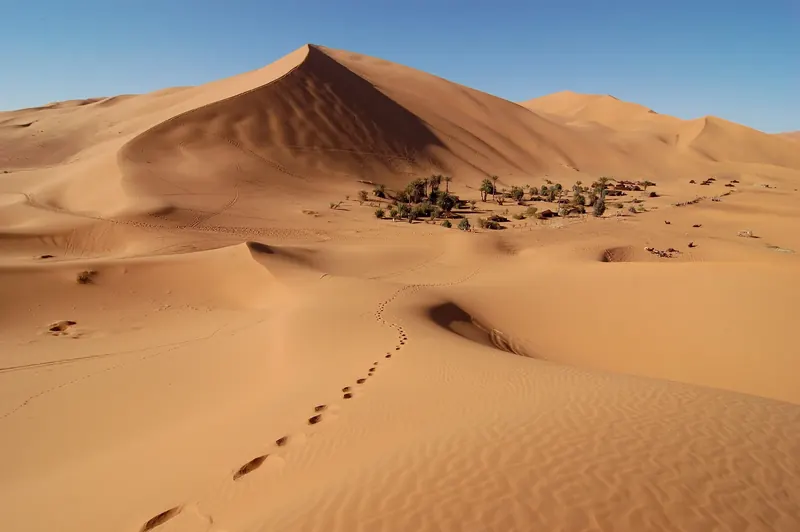
For a desert camp, pack a thin layer for daytime sun and a warmer layer for after sunset. A buff or scarf, closed shoes that you do not mind getting sandy, and a small flashlight or headlamp can be useful. Do not assume the desert will feel hot all night: inland Morocco can be far hotter than the coast by day, while winter temperatures away from the coast can drop substantially. 3 Ask your camp or excursion provider what bedding and luggage transfer are included; do not pack specialist gear unless the activity requires it.
Shoes, bags and small comfort items
One pair of broken-in walking shoes is the most important footwear choice for a city-focused trip. Medina paving can be uneven, and a day can involve far more walking than a short map distance suggests. Add sandals for lodging or beach use, but do not make them your only walking shoes. For an active itinerary, bring trail shoes suited to the route rather than buying bulky hiking boots by default.
A crossbody bag or small daypack that closes securely is easier to manage in crowds than an open tote. Keep a refillable water bottle, tissues, hand sanitizer, sunglasses, sunscreen and a portable battery with you as useful. Choose the bag you can comfortably carry for a full day, and leave valuables you do not need secured at your lodging.
A small laundry kit can stretch a capsule wardrobe: a few detergent sheets, a sink stopper if you use one, and a foldable laundry bag. Quick-drying fabrics help when you wash an item by hand, but do not pack only technical synthetics if you prefer natural fibers in hot weather.
Health, documents and electronics
Keep prescription medicines in original packaging in your personal item, along with copies of prescriptions and any medical information you may need. The CDC’s Morocco packing list recommends bringing important health supplies with extras in case of travel delays; it also lists sunscreen, sunglasses, a hat, insect repellent, hand sanitizer, basic first aid and blister care among possible items. Its list is general, so choose what fits your health needs and plans rather than treating every item as mandatory. 1
For a personal mini-kit, consider your usual pain or allergy medicines, bandages, blister pads, hand sanitizer, sunscreen and any prescribed medication. If you use contacts, bring glasses as a backup. Ask your clinician about personal medical needs before travel; this guide is not medical advice. Keep health insurance details and emergency contacts accessible.
For U.S. travelers, confirm passport validity and entry requirements before packing: the State Department’s Morocco page currently says a passport should be valid at entry with at least six months’ validity and one blank page per stamp. Requirements can change, so recheck the official page close to departure. 5 Save a secure digital copy of your passport and itinerary, and keep a separate paper copy of key documents.
Bring the charging cable and wall adapter you actually need, plus a power bank for long transfer days. A compact plug adapter can be useful depending on your devices; check your device’s voltage range and the plug types used in your itinerary before buying one. Download offline maps, bookings and any translation or transport information before leaving reliable Wi-Fi.
A practical example: one week in Marrakech, Essaouira and the Sahara
For a seven-day trip combining city streets, coast and one desert overnight, consider five breathable tops, two pairs of trousers, one skirt or extra pair of trousers, a light sweater, a wind layer, sleepwear, underwear, socks and one comfortable outfit for a nicer dinner. Wear your bulkiest walking shoes on travel day; pack sandals and a compact scarf. Add swimwear only if beach time is on the plan. For the overnight, take a warm layer, closed shoes and a small flashlight, but ask the provider what bedding and luggage arrangements are supplied.
Put medicines, passport, a change of clothes, charger and valuables in your personal item. Use one manageable main bag rather than several loose pieces: you may carry it across station platforms, through medina lanes or between a vehicle and lodging. No generic list can promise that every carrier accepts every bag size, so check current airline and transport-provider conditions before travel.
Common packing mistakes to avoid
The most common error is packing as though Morocco were one temperature. A hot inland afternoon does not tell you what a breezy coast or mountain morning will feel like. Another is bringing brand-new shoes: test your walking pair at home. Avoid packing only short, tight or delicate outfits if you want clothes that work across sightseeing, transit and varied settings.
Do not bring a full pharmacy or specialized hiking kit “just in case.” Carry the medications and supplies you personally rely on, with extra essential prescriptions, and plan technical gear around a confirmed activity. Heavy luggage adds friction on stairs and transfers; remove pieces that only serve one hypothetical outfit.
If you want route-specific help preparing a trip, Maroc Mobility’s Personal Travel Assistant is available separately from transport, lodging, meals and experiences, which are booked and paid for with their providers.