Get the basics right before you fly
A first trip to Morocco feels easier when the arrival tasks are already decided. Keep your passport, accommodation address, onward or return details, and a way to access funds together rather than buried in different apps. Save the exact accommodation location offline, too: an address is useful, but a map pin and the property’s arrival instructions are often more useful once you are close.
For U.S. visitors, the U.S. Department of State says a tourist visa is not required for visits of 90 days or less. Its current Morocco page also says a passport must be valid at the time of entry and have at least six months’ validity plus one blank page per stamp. Entry rules can change and border officials make the final decision, so check the official page again before you commit to travel. 1
Think in terms of a simple arrival sequence: get to the right pickup point, obtain a small working amount of local cash, get data if you need it, and reach your lodging. That sequence is less stressful than trying to solve every transport, shopping and itinerary decision at the airport.
Use money in a way that leaves room for reality
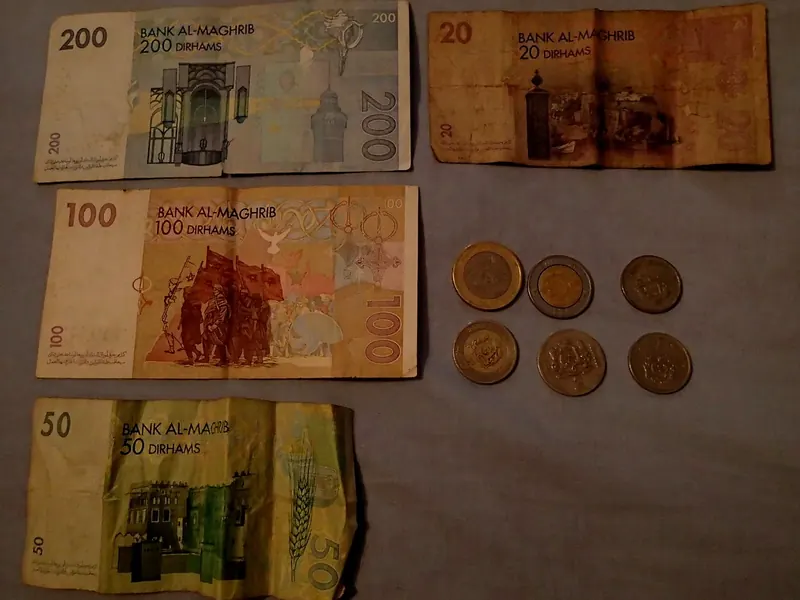
Morocco uses the Moroccan dirham (MAD). The important planning point is not a particular exchange rate. It is that the State Department describes the dirham as a closed currency: travelers exchange foreign currency into dirhams after arriving and exchange remaining dirhams before leaving; exporting dirhams is prohibited. That makes it sensible to change only a workable amount at first, keep the receipt, and avoid ending the trip with more cash than you can reasonably use or reconvert. 1
Build a two-part payment plan. Carry a modest amount of dirhams for small, day-to-day purchases and keep a card as a second method for places that accept it. Do not make the reverse assumption and arrive card-only. Before you leave home, tell your bank the dates and countries on your itinerary, confirm that your card will work internationally, and bring a second payment method separately from your main wallet. These are backups, not a prediction that anything will go wrong.
At a taxi, a market stall, a café or a family-run business, clarity is better than haste. Ask the total before you commit, count change before stepping away, and keep smaller denominations available where practical. For larger cash exchanges, use a recognized exchange counter or bank and keep the transaction documentation. Avoid relying on an internet quote as the amount you will receive: the posted terms and any fees at the point of exchange are what matter.
Choose a SIM or eSIM for your actual phone
Mobile data is mainly an arrival tool: it lets you load maps, message an accommodation, check a booking and share a live location. Decide before flying whether you want to preserve your U.S. number on its existing SIM, need calls on a local number, or mainly need data. That choice determines whether an eSIM or a physical prepaid SIM is the better fit.
An eSIM is convenient when your phone is unlocked and compatible because it can sit alongside a physical home SIM. Orange Morocco says its eSIM is activated from a QR code and can be obtained online or in a shop; it also says the handset must be compatible. Check compatibility in your phone settings and confirm the current plan, validity and activation terms directly with the operator before purchase. 4
A physical prepaid SIM is a sensible alternative if your device does not support eSIM, if you prefer help at a counter, or if you want to avoid changing phone settings on travel day. Bring your passport when you visit a mobile shop, keep your purchase information, and ask the staff to confirm that data works before you leave. Do not choose only by the headline data allowance. Consider where you will travel, whether you need a local voice number, and how many days the line must remain active.
Before leaving the airport Wi-Fi, download offline maps for your first city, save hotel and transport confirmations, and write your lodging’s contact details somewhere accessible without data. A charged power bank is useful on long travel days, but it is not a substitute for an offline plan.
Match the transport to the route, not the city name
Morocco has several useful ways to move around, but they do not all serve the same places. The Moroccan National Tourist Office lists airport shuttles, taxis, rental cars, conventional trains, the Al Boraq high-speed service, coaches and city tramways among the options. It says the high-speed rail corridor serves Tangier, Kenitra, Rabat and Casablanca, while the wider rail network serves many main cities but not every destination. 2
Use trains when the line fits your plan
For a journey on the rail network, begin with the official ONCF journey search rather than a third-party timetable. The tourism office specifically directs travelers to ONCF for tickets and says rail tickets can be bought online or at the station. That is the right place to check the travel date, station name, class and any connection—not a blog post written for a past season. 2
Trains are often a clean choice when both your origin and destination are rail-connected. They are not automatically the best answer for places beyond the line. If your itinerary includes a destination such as Agadir or a smaller town, compare a coach connection, a driver arranged by your accommodation, or a rental car with the time and complexity of changing modes. Leave a buffer between a long overland journey and a fixed activity or flight.
Use coaches to fill gaps in the rail network
For routes that are not straightforward by train, coaches can be practical. CTM’s official site provides route searches and links to online booking, but departure times, pickup points and availability are route- and date-specific. Confirm those details on the operator’s own booking flow, not from a search-result snippet. 3
When booking a coach, check three things beyond the departure time: the exact station or agency, the baggage policy, and how you will reach your lodging after arrival. A destination label can cover an area larger than you expect. Save the operator’s confirmation and allow enough time to find the right platform or office.
Plan city journeys for the last mile
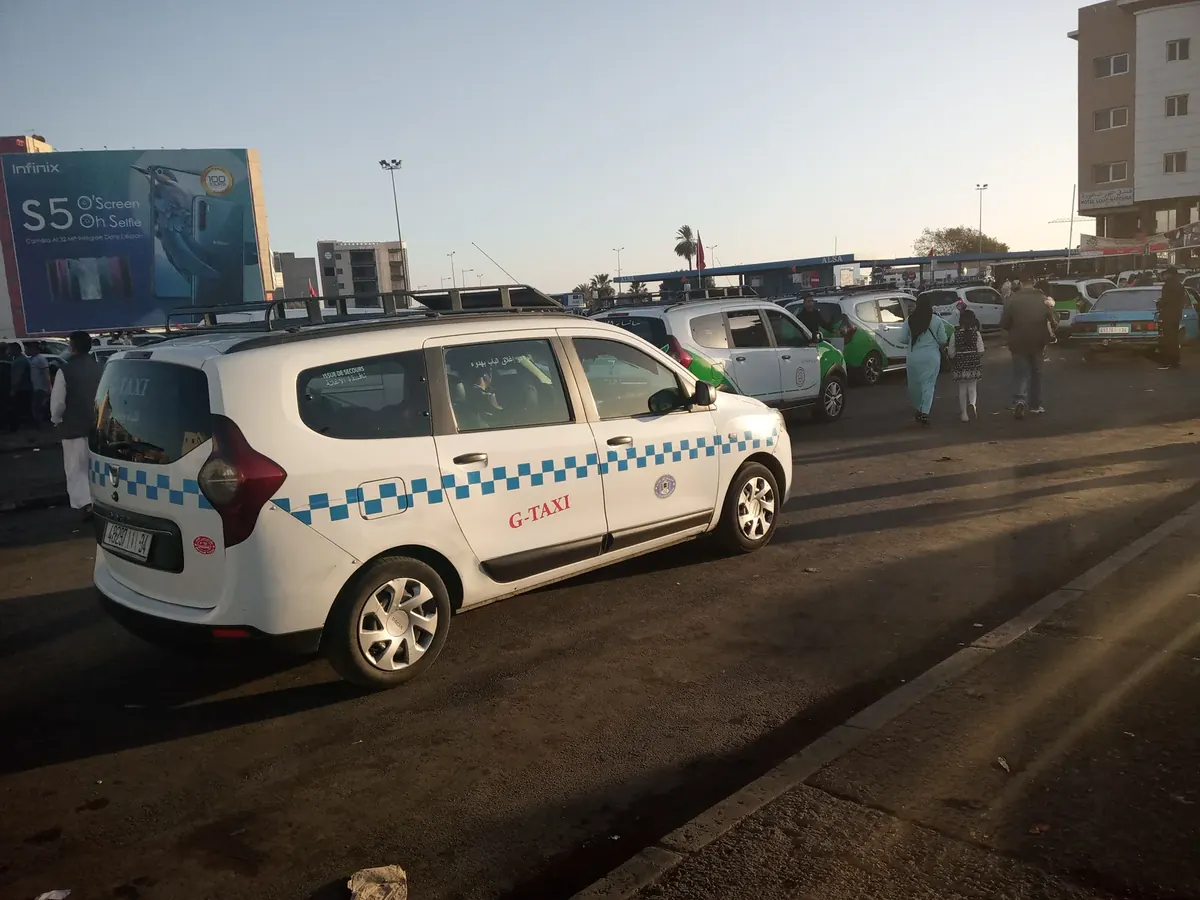
At airport exits, the tourist office says travelers can use shuttle buses, taxis or a rental car agency. Within cities, it notes tramways in the Rabat–Salé area and Casablanca, plus readily identified city taxis whose colors vary by city. 2
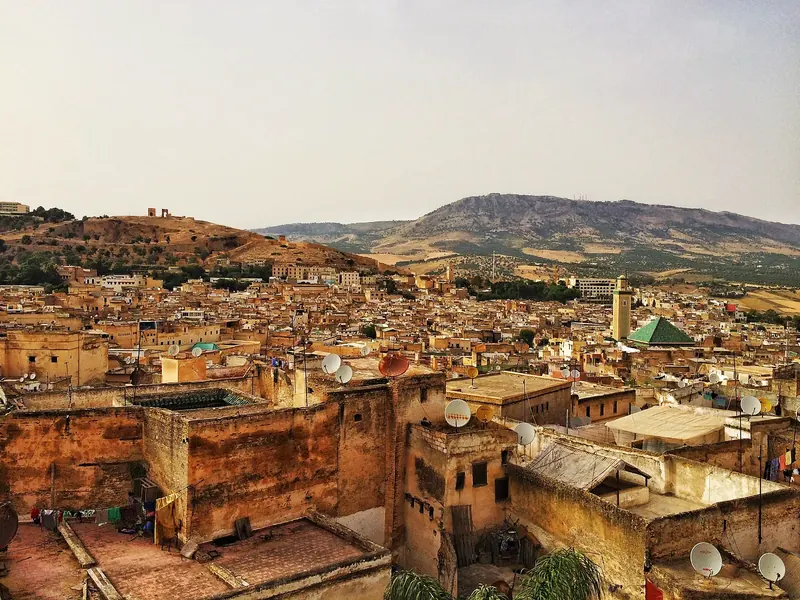
For your first transfer, favor a clear pickup arrangement over a vague plan to “find transport.” Ask your accommodation for the best vehicle-accessible meeting point and keep the name and phone number saved. In historic districts, the issue is often navigation rather than distance. The tourism office describes medinas as old-town areas characterized by intertwined alleys; walking the final stretch may be normal, so pack luggage you can manage and give yourself daylight and time. 5
Be a considerate guest without overthinking every interaction
Morocco is not a single set of rules applied the same way in every city, household or neighborhood. The reliable approach is to observe the setting, lead with a calm greeting, and follow the cues of people around you. Clothing that is comfortable but a little more covered is versatile for city sightseeing and religious or traditional settings. Keep swimwear for the beach or pool area, and carry a light layer for visits where you want more coverage.
Photography deserves particular care. Ask before photographing people, their work or a shop display, and accept a no without debate. The State Department specifically cautions against photographing palaces, diplomatic missions, government buildings and other sensitive facilities; when uncertain, ask the relevant authorities rather than taking the shot. 1
In a souk, browsing does not obligate you to buy. Take time to inspect an item, ask questions, and agree on the final price only when you are ready. A friendly but definite “no, thank you” is enough if you decide not to continue. Avoid treating a conversation or an invitation as a transaction you must complete.
A few words of Arabic, Darija or French can be useful, but they are not a test you have to pass. Start courteously, speak plainly, and use translation tools where appropriate. The aim is communication, not a performance of local knowledge. During religious holidays or Ramadan, confirm local timing and etiquette with your accommodation or host before making assumptions about what will be open or expected.
A low-stress first 24 hours
On arrival, do only what makes the rest of the day easier. Confirm how you will reach the property, exchange a measured amount of cash, activate connectivity if needed, and send yourself the local address and booking details. Then pause before making major purchases or adding a complicated side trip. Once you have slept, orientated yourself and checked the current operator schedules, your plan will usually improve.
If a multi-city itinerary is already complex, a Personal Travel Assistant can help coordinate practical questions during the dates you have purchased. Transport, accommodation and activity providers confirm availability and charge separately, so always keep their confirmations and final terms.