What the current U.S. advisory means
For a U.S. traveler asking whether Morocco is safe right now, the useful starting point is the current U.S. Department of State advisory, not a generic country ranking or a years-old social post. Morocco is listed at Level 2: Exercise Increased Caution, issued September 4, 2026, because of terrorism. The advisory says terrorist violence is a risk and that attacks may occur with little warning; it names public events, tourist-facing venues, markets, and transportation among the kinds of places that could be targeted.1
Level 2 does not predict that an incident will happen on a particular trip, nor can it make a trip risk-free. It means that a sensible decision should match the itinerary and traveler to the risks. A short stay using established accommodation and daytime transport calls for different precautions than solo driving in the mountains, camping, or travel near disputed or closed borders.
Check the advisory once while deciding and again immediately before you go. Then read the U.S. Embassy’s alerts rather than relying on an old screenshot. For example, a July 2026 Embassy alert described transport delays, roadblocks, crowding, and clashes in northern Morocco connected with attempted crossings into the Spanish enclaves. It advised travelers in that area to carry identification, allow extra time, avoid large crowds, and take care around border zones, ports, and transport hubs.4 That is a location-specific update, not a reason to assume the same disruption exists everywhere in Morocco.
Where everyday risk usually sits
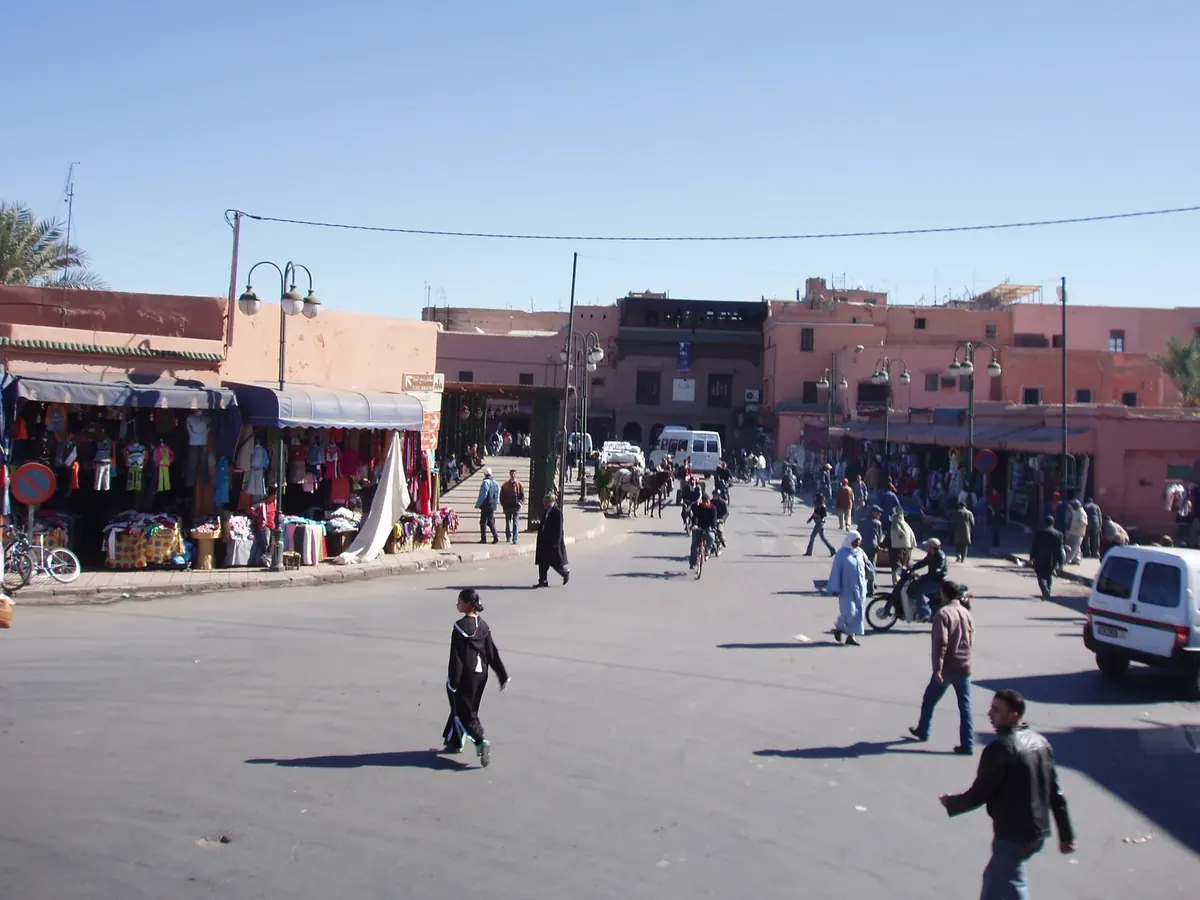
The ordinary risks that most directly affect visitors are less dramatic. The State Department warns that petty crime is common in major cities and tourist areas, including pickpocketing in crowded souks and on public transportation, bag snatching, and theft from vehicles. It says violent crime against tourists is less common, but assaults and muggings can occur, particularly in remote places or after dark.2
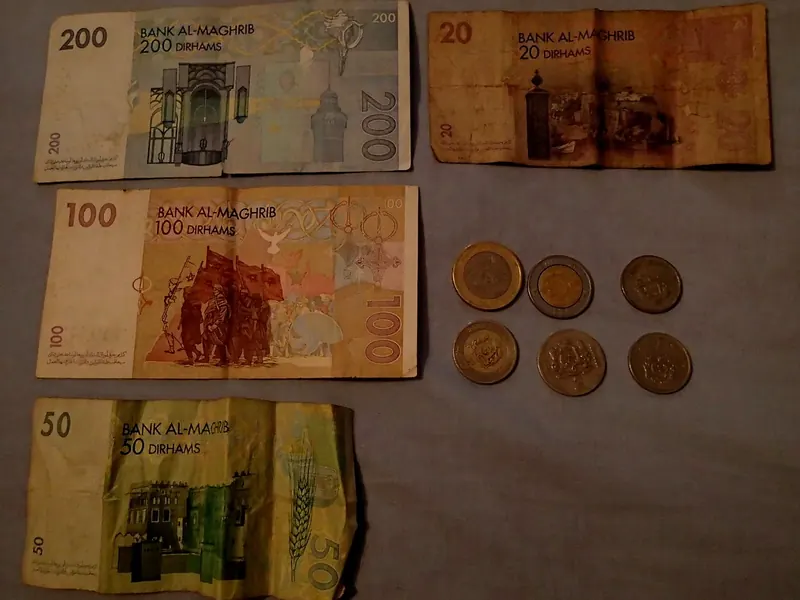
That points to practical habits. Carry only what you need for the day, keep a phone and wallet in a secure inside or front pocket, and keep bags physically in your control in cafés, lobbies, stations, and queues. Avoid displaying a large amount of cash, expensive jewelry, or a conspicuous camera when navigating a crowd. At an ATM, pause long enough to notice who is close by; Canada’s official advice also warns of card fraud and ATM theft.5
After dark, choose well-used routes and prearranged transport over an isolated shortcut. If you are jogging, exploring, or returning from dinner, a companion and a populated route are modest adjustments that reduce exposure. These are precautions, not a judgment about Moroccan hospitality or every neighborhood.
Avoid pressure tactics without turning every encounter into a threat
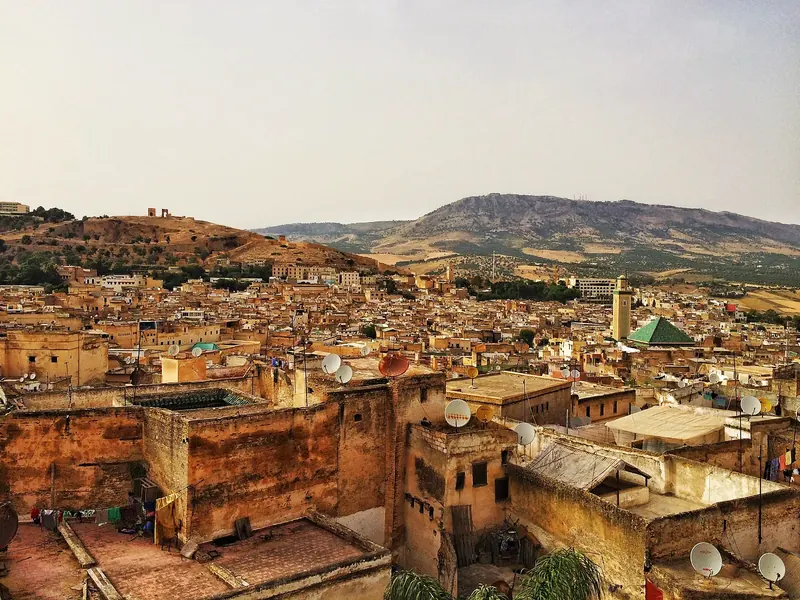
A busy medina can involve invitations, sales pitches, offers of help, and people who want your attention. The State Department specifically advises travelers to be wary of overly friendly strangers who may be setting up a scam or a distraction for theft.2 The most useful response is calm and simple: decide whether you asked for help, whether you know the total price, and whether you can walk away without an argument.
For an unrequested offer to guide you, carry bags, change your transport plan, or take you to a shop, a polite, firm “no, thank you” while continuing toward your destination is usually better than a long negotiation. If you want a guide or a service, arrange it through your accommodation, an official tourism channel, or a provider you chose yourself, and agree the scope and price before the service begins. Keep your passport, phone, and bank card with you rather than handing them to someone to “help.”
For local rides, use a registered taxi rather than an unmarked vehicle. State’s country information says travelers should ask petit-taxi drivers to use the meter, and it notes that ride-share users should be cautious around hotels, airports, convention centers, and similar places because of reported conflict with taxi drivers.2 If a roadside discussion becomes pressured, step into a hotel, station, or other staffed place and make a fresh transport decision.
Make transport and remote routing part of the safety decision
Morocco’s trains are generally safe, according to the State Department, but theft sometimes occurs. Keep bags in sight and do not use an unattended item as a seat reservation. Road travel requires more judgment: the Department describes secondary rural roads as often narrow and poorly paved, and roads through the Rif and Atlas Mountains as steep, narrow, winding, and dangerous. It advises extreme caution driving at night; flash flooding can affect rural roads during the November–March rainy season.2
If driving is central to the trip, be honest about experience, fatigue, road conditions, and the value of arriving before dark. Pedestrians, scooters, animals, and checkpoint stops can change the pace. A road trip should have water, a charged phone, an offline route, enough fuel, and a realistic buffer rather than a tightly timed string of mountain legs.
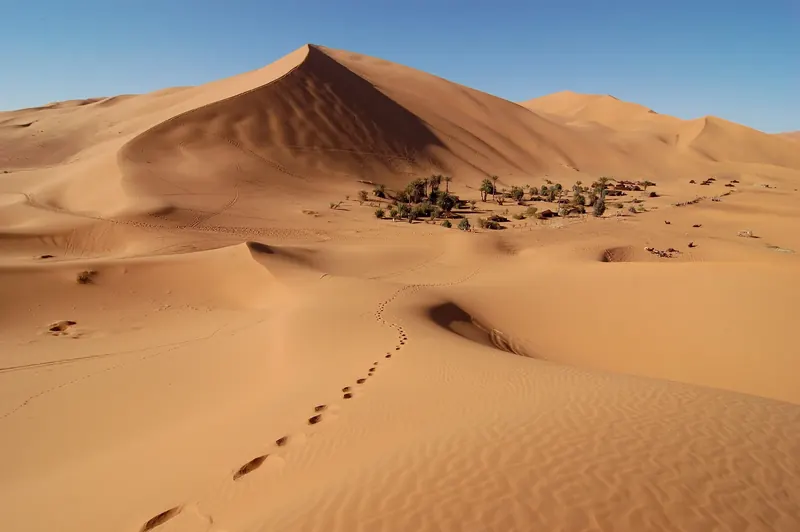
Treat far-southern, border, desert, and remote mountain plans as a separate safety question. The Canadian government, whose advice is not a substitute for U.S. guidance, advises against travel near the Algerian border and in specific Western Sahara/Berm areas; it also highlights landmines and limited assistance in parts of Western Sahara.5 Use that as a prompt to examine the current U.S. advisory and Embassy messages for the exact route, use official local advice and qualified guides for remote terrain, and do not hike or camp in isolation.
Keep terrorism and demonstrations in proportion
The terrorism concern behind the advisory deserves attention even though it is not the risk a visitor is most likely to meet day to day. OSAC reports that Moroccan security services have disrupted plots, while the potential for terrorist violence against U.S. interests and citizens remains. It advises keeping a low profile, avoiding predictable patterns, and staying alert during periods of regional tension.3
Do not try to predict an attack from rumors. Instead, follow the official alert channels, know the exits when you enter a crowded venue, and leave rather than watch if a demonstration forms. State says demonstrations are common and can be unpredictable, even when they begin peacefully; check local media and traffic information for disruption.1 Large stadium crowds merit extra caution as well.2
Safety considerations that deserve a personal plan
Women traveling alone may face verbal harassment, unwanted attention, or inappropriate touching, particularly in crowded areas, the State Department says.2 A planned arrival, a trusted ride, a locally appropriate outfit in more conservative settings, and a companion for unfamiliar late-night walking can make the trip more comfortable. Harassment is not the traveler’s fault; the purpose of a plan is to retain choices and exit options.
LGBTQ+ travelers should also do specific research before going. State says same-sex sexual relations are criminalized in Morocco and that public displays of affection can attract negative attention or legal consequences.2 Travelers who may face discrimination based on perceived race, ethnicity, religion, or sexual orientation should factor that possibility into accommodation, transport, and support plans. This is general travel information, not legal advice.
Health resilience belongs in a safety plan too. CDC advises seeing a clinician at least a month before travel for needed vaccines or medicines, keeping routine vaccines current, and reviewing destination-specific advice. Its Morocco page notes that dogs infected with rabies are commonly found in the country, so do not pet or feed unfamiliar animals and seek prompt medical guidance after an exposure.6
A short pre-trip safety setup
- Check live official information. Read the State Department advisory and recent U.S. Embassy alerts for the whole itinerary, especially if it includes the north, remote areas, or a border region.
- Enroll in STEP. It is a free State Department service that sends Embassy and consulate security, demonstration, health, weather, and advisory updates by email. It can also help officials contact you or your emergency contact in an emergency.7
- Plan the first and last mile. Save the accommodation address offline, arrange airport or station transport through a known provider, and avoid arriving in an unfamiliar area without a workable route.
- Prepare for a medical or financial interruption. Check whether travel insurance covers treatment and medical evacuation. State notes that many U.S. health plans do not cover care abroad and that hospitals may require payment or proof of insurance before admission.2
- Save official contacts and copies. Store the local police and medical numbers from the State Department country page, U.S. Embassy contact details, insurer assistance line, and card issuer’s international number. Keep a secure copy of the passport identity page separate from the passport itself.
If you want help coordinating a local next step during your purchased dates, our Personal Travel Assistant provides 24/7 WhatsApp and call assistance. It does not sell or operate transport, accommodation, meals, or activities; individual providers confirm arrangements and charge separately.
If something goes wrong
First move to a safe, populated place. For a stolen card or phone, contact the issuer or mobile provider promptly and change critical passwords from a secure device. For theft or an assault, report the incident to local police and request a written report; State specifically recommends obtaining one for insurance purposes and contacting the U.S. Embassy or Consulate for assistance.2
For a medical emergency, use the current emergency information on the State Department page and your insurer’s assistance line. The same page cautions that ambulance services are not widely available and that response quality can vary, so travelers should not assume a U.S.-style response time.2 Keep the Embassy’s current details and travel documents accessible, but remember that consular staff cannot replace travel insurance or pay private bills.
The bottom line: Morocco is a destination where alert, respectful, well-prepared travelers can make sound choices. Recheck official information, shape the itinerary around the conditions you can verify, and leave room to change a plan when an alert, weather event, crowd, or road condition says it is time to do so.
References
Sources accessed 2026-10-15.