What makes Essaouira’s medina distinctive
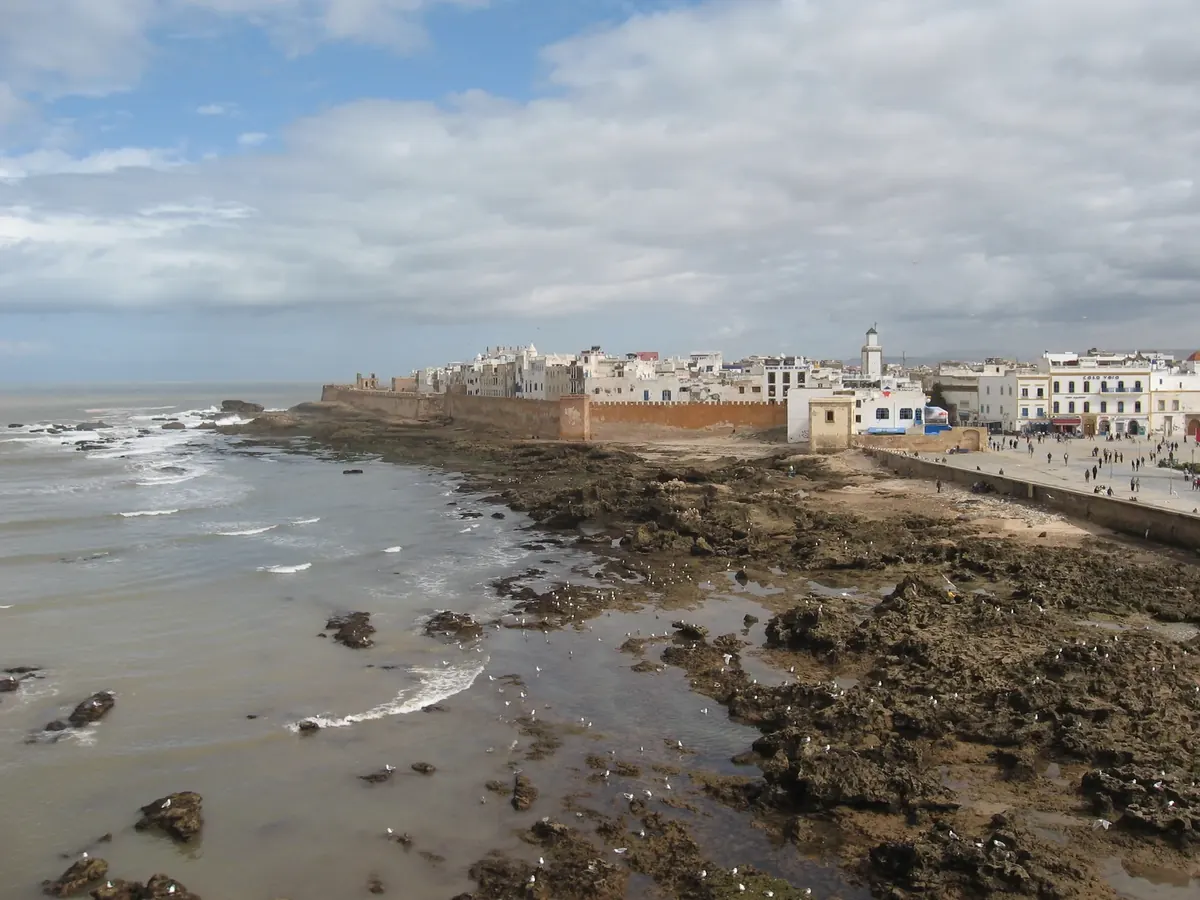
Essaouira’s old town is not simply a market quarter. It is a planned, fortified Atlantic port whose walls and urban form reflect a meeting of European military design and North African city traditions. UNESCO describes the mid-eighteenth-century medina as a major historic trading port linking Morocco and its Saharan hinterland with Europe, and notes that the ramparts still define the historic area. The site was inscribed on the World Heritage List in 2001. 1 Morocco’s National Tourist Office likewise describes monumental gates and two citadels, the Skala of the Kasbah and the Skala of the port, flanking the ramparts. 4
That history is visible in the relationship between the compact street grid, the gates, the port and the sea-facing fortifications. Shops and workshops occupy streets where people also live and work. Treat the medina as a functioning neighborhood: keep doorways clear, ask before photographing people, and browse respectfully rather than assuming every doorway or courtyard is a visitor attraction.
Find your bearings before wandering
Essaouira is a good place to explore without a minute-by-minute route. The main orientation advantage is its rough grid: National Geographic describes the old quarter as navigable on foot, with two principal north–south commercial strands and Rue Skala leading toward the historic sights. 2 Frommer’s street-layout overview names several key approaches, including Bab Doukala, Bab Marrakech and the port-side gates, as well as Place Moulay Hassan near the port. 3
Choose one gate as your starting point and save it on your phone. A simple plan is to enter from the side nearest your accommodation, walk along a broad street toward Place Moulay Hassan or the port, then return by a parallel lane. If the narrower alleys begin to feel confusing, head back toward a familiar main street rather than continuing to follow an uncertain shortcut. A downloaded map helps when mobile data is patchy, but street signs and local directions can also reset your bearings.
The medina is pedestrian-oriented; vehicles do not make the narrow lanes a practical way to get around. Plan to walk between the gate and your lodging, and ask your host which entrance is closest if you arrive with bags. Frommer’s guide specifically notes that the medina is pedestrian-only and that taxis wait outside it. 3 Because the guide’s precise transport details may date, confirm your own drop-off point and current access arrangements with your accommodation rather than relying on old fare information.
A useful half-day walking route
Start in the morning or whenever you have enough time to stroll without rushing. From Place Moulay Hassan, walk toward the ramparts and the port, then return through the central streets for the souks. Reverse the order if you prefer to shop before the waterfront. The exact sequence matters less than leaving time for pauses: wind, light, market activity and individual opening hours vary.
1. Walk the sea-facing ramparts
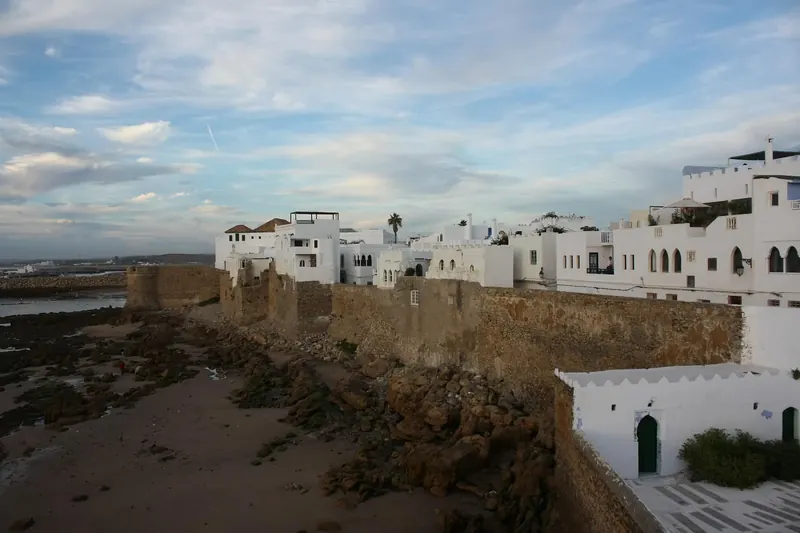
Skala de la Ville is the best-known stretch of the sea-facing fortifications. The walls, cannons and Atlantic outlook make the town’s defensive purpose easy to understand. The ramparts are part of the historic ensemble, rather than a separate modern attraction; UNESCO describes them as central to the medina’s integrity. 1 National Geographic also highlights a walk along Skala de la Ville and the port-side Skala as a way to experience the city’s maritime setting. 2
The harbor-side Skala du Port gives a different view, with boats and port activity close by; Morocco’s National Tourist Office identifies it alongside the Kasbah Skala as one of the medina’s two citadels. 4 It is worth doing both if time and conditions allow, but check local access before setting out for a particular viewpoint. Surfaces can be uneven, exposed sections can feel windy, and stairs may limit access for some visitors. If mobility is a concern, ask your accommodation or a local visitor-information office which accessible viewpoints are currently practical; do not assume the whole wall walk is step-free.
2. Browse the souks without turning it into a checklist
The souks are woven through the old town’s commercial streets rather than confined to one enclosed market building. You will find displays of ceramics, jewelry, textiles and carved or turned wood among ordinary shops and workshops. National Geographic notes the concentration of craft shops along the medina’s main thoroughfares, including wood carving and contemporary design. 2
A more satisfying approach than racing from stall to stall is to choose one or two categories that interest you, compare a few examples and leave room to discover something unexpected. Ask permission before photographing a maker or workspace. For a purchase, agree on the price and what is included before paying; if you need shipping, clarify packaging, delivery arrangements and any extra costs directly with the seller. Do not assume a displayed object is locally made—ask about materials and origin if provenance matters to you.
3. Pause at Place Moulay Hassan and the harbor
Place Moulay Hassan is a practical landmark between the medina and port area, making it a useful place to pause, meet someone or choose a meal. From here, you can continue to the harbor edge or turn back into the main streets. Fishing boats and seafood stalls are part of the waterfront scene, but menus, availability and operating hours change; look at the current choices and prices before ordering rather than relying on a past recommendation. 2
If you are planning a sit-down meal, build in time and check whether the restaurant suits your needs. Tell staff about allergies or dietary restrictions clearly, and ask how dishes are prepared; a menu description alone may not answer questions about shared cooking surfaces or ingredients.
How long to spend and what to bring
A few focused hours cover the central lanes, a rampart walk and the port. A full day is better if you want a leisurely meal, galleries or museums, extended shopping, and time to follow side streets without watching the clock. An overnight stay makes the old town quieter at the edges of the day and avoids compressing every stop into a short visit. These are planning suggestions, not official visit durations; choose a pace that fits your interests and mobility.
Wear shoes with a secure sole for stone paving and bring a light layer even on a sunny day: the Atlantic wind can make exposed ramparts feel cooler than sheltered lanes. Carry water, keep valuables secure in busy spots and agree on a clear rendezvous point if you are exploring with children or a group. If traveling with a stroller or wheelchair, plan for uneven paving and steps, and verify a specific route with a local source before committing.
Common planning mistakes to avoid
The first is trying to cover every alley in one pass. The medina rewards detours, but there is no need to treat it as a scavenger hunt. Mark two or three anchors—your entrance gate, Place Moulay Hassan and a rampart section—and let the rest be flexible.
The second is treating old travel guides as live operating information. Published guides can be useful for names and orientation, but listed opening times, fares and services may change. Check directly with a site or your accommodation on the day. The third is assuming a seafront viewpoint is sheltered or universally accessible. Wind exposure and stairs affect comfort; choose an inland alternative if the weather or footing is poor.
A final practical point: if your arrival logistics or onward plans are complicated, arrange them separately from your walking day. Maroc Mobility’s Personal Travel Assistant service provides travel assistance during purchased Morocco dates; it does not sell accommodation, transport or activities, and providers confirm and charge for their own services.