The short answer: choose spring or autumn for the broadest trip
For most first-time visitors, March through May and late September through November are the best times to travel to Morocco. Those windows make it easier to combine Marrakech, another city, the Atlas and the desert without the hardest summer heat or winter mountain constraints. Morocco’s tourism office specifically recommends spring and fall for the Sahara, while the Atlantic coast stays comparatively temperate through the year. 1
There is no single perfect month for the whole country. Morocco combines Atlantic and Mediterranean shores, mountain ranges and the desert. The World Bank’s climate portal maps several climate types within its borders, so a date that suits an Atlantic beach break can be too hot, cold or changeable elsewhere on the same route. 2
Choose summer if the coast is the priority. Choose winter for quieter city time or clear desert days if you are ready for cold nights. For high-altitude trekking, select the route first and confirm seasonal conditions with a local operator rather than using Marrakech weather as a guide.
Regional trade-offs matter more than one national “best month”
Marrakech, Fes and other inland cities
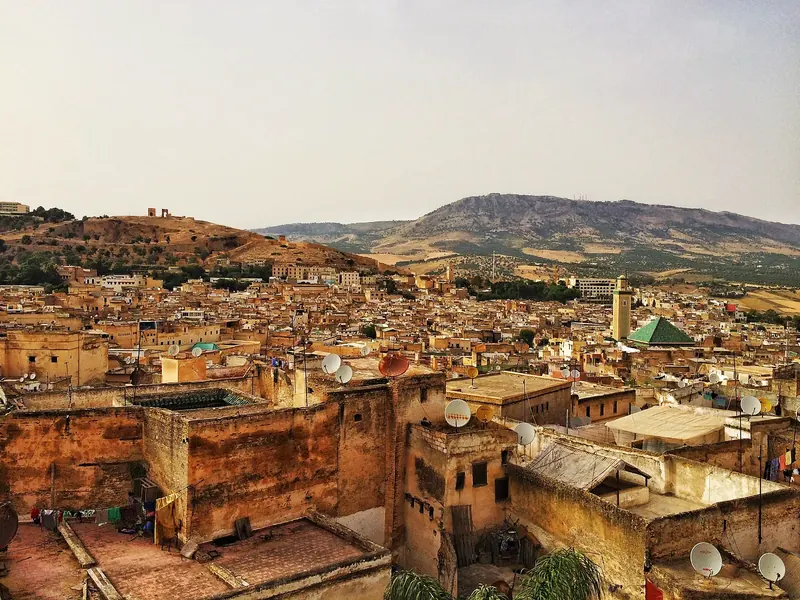
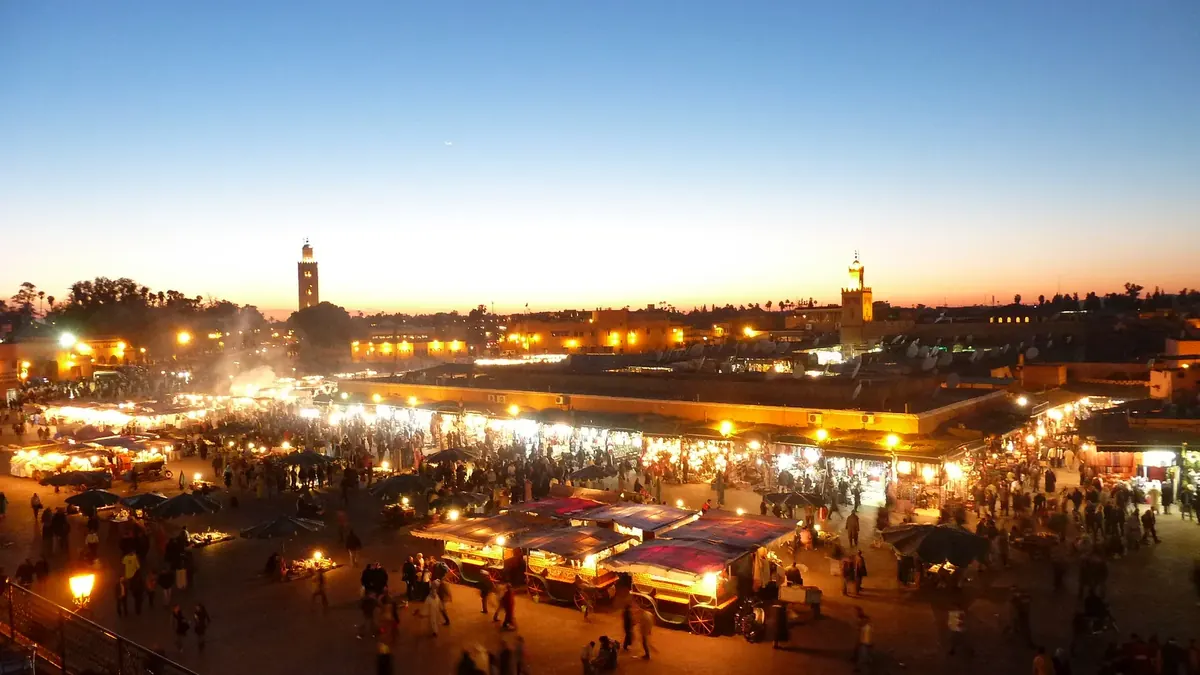
Inland cities are much hotter than the coast in summer and can feel cool after dark in winter. Their medinas, gardens and monuments are easiest for many travelers in spring and autumn. Royal Air Maroc similarly distinguishes the moderate Atlantic climate from the more continental pattern of Marrakech and Fes. 5
Pleasant weather also brings demand. If you travel in a popular window, reserve the accommodation that matters to you and keep the daily plan light. An early start, a restful indoor midday and a later return to the streets is often a better Marrakech day than trying to sightsee nonstop.
Atlantic and Mediterranean coast
The coast is Morocco’s summer release valve. Atlantic stops such as Essaouira, Taghazout and Agadir benefit from ocean influence while inland heat can be intense. The official tourism board describes the coast as sunny through the year and highlights gentle breezes in Agadir. 1
“Coast” does not mean guaranteed still, hot beach weather. Wind, cloud and water temperature can make an Atlantic day feel very different from Marrakech. Summer is the logical choice for beach time, surfing or a cooler base. In spring and autumn, the coast adds a milder contrast to city or desert days; check the conditions for the exact destination if swimming is central to the trip.
Atlas, Rif and Sahara
Altitude changes the packing list. Snow and wintry conditions can persist at higher elevations while the lowlands are mild, and summer heat below does not promise comfortable exposure on a long ridge. Carry a warm layer and rain protection for a mountain day trip. For a multi-day trek, ask the provider about current trail conditions, equipment and contingencies.
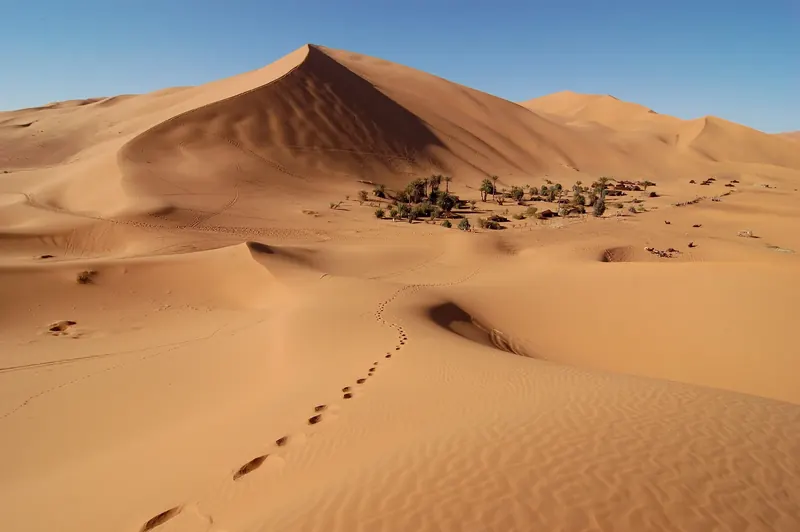
The Sahara is generally easier in the transition seasons, when daytime heat is less punishing than in high summer. Visit Morocco explicitly recommends spring and fall. 1 Winter can bring clear days but cold nights. Build margin into a desert plan: the World Meteorological Organization’s report on 2020 recorded heat, dry conditions and disruptive weather events in Morocco. That is historical context, not a forecast, but it is a reason to check short-range weather, roads and operator updates before departure. 4
Season-by-season trade-offs
Spring: March to May
Spring is the strongest all-round choice for a first multi-region trip. City walking is more comfortable, the countryside is often greener after winter rains, and the Sahara is more manageable than at the height of summer. Intrepid identifies early spring, especially March and April, along with autumn as a broad sweet spot. 3
The compromise is demand. Holiday dates can tighten availability, and warm spells remain possible. Pack layers: a sunny Marrakech lunch, a breezy coast and a cool mountain evening can all occur on one itinerary.
Summer: June to August
Summer works best when the itinerary is designed around the coast, water, surf and late-day outdoor time. It is less suitable for a tightly scheduled circuit of inland medinas, long desert transfers and midday sightseeing. Intrepid notes that summer heat can exceed 100°F and that the coast offers respite; take that as a planning signal, not a promise for a particular date. 3
When summer travel is fixed, change the rhythm instead of fighting the heat. Do exposed activities early, protect the middle of the day, and make dinners or evening walks the social center of the day.
Autumn: September to November
Autumn is an excellent choice for a classic cities–mountains–desert route. Heat eases, while the ocean and longer days can still appeal earlier in the season. October and November are particularly useful for desert and inland travel, subject to the year’s conditions. 3
September can still feel summery, especially in the south-east. Later autumn brings cooler evenings and a greater chance of rain in some northern and mountain areas. Prioritize the regions that matter most instead of crossing the country at speed.
Winter: December to February
Winter suits travelers who value lower-season atmosphere, coastal time and clear desert days over all-purpose warmth. Cities can be pleasant by day, but the temperature drop after sunset is real. Mountain travel needs the most caution and winter conditions can limit high-altitude plans. Bring warm layers and waterproof footwear if heading north or into the mountains.
Is March a good time for Marrakech, Morocco?
Yes—March is a strong time for Marrakech if you want spring conditions without relying on summer heat. Intrepid describes it as a month of rising daytime temperatures when evening layers remain useful. 3 It also works well for pairing Marrakech with nearby foothills or a route south.
Pack breathable clothes for sunny afternoons, an insulating layer for after dark and a rain layer for an occasional shower. Put exposed activities in the morning or late afternoon. If a hotel pool matters, confirm whether it is heated rather than assuming a March swim will suit everyone.
March can fall in a busier planning window, so book the elements that would materially affect the trip—such as a preferred riad, small-group mountain departure or desert camp—before building a packed route. Leave enough flexibility to swap outdoor days if the forecast changes.
Crowds, Ramadan and event-led timing
Weather is only one part of timing. School holidays and long weekends can raise demand even in good shoulder-season weather. If quiet matters most, favor weekday-heavy dates outside major holiday weeks and consider sleeping beyond the most concentrated visitor areas.
Ramadan moves each year because it follows the lunar calendar. Visitors can travel during it, but daylight patterns may change: some restaurants, shops and other establishments may have altered hours, while evenings become more active after iftar. 3 Check the relevant year’s dates and reconfirm time-sensitive reservations with the provider. Festivals are also worth planning around only after checking the organizer’s current programme, location and access.
Match the date to your actual trip
- First trip covering cities, Atlas foothills and desert: spring or autumn, with layers and a moderate pace.
- Marrakech city break: March–May or October–November for easier daytime walking; summer only with a heat-aware schedule.
- Atlantic beach or surf trip: late spring through summer, after checking local wind and water conditions.
- Desert overnight: spring, autumn or winter, with warm night layers and operator-confirmed conditions.
- High-altitude hiking: choose the route first, then confirm seasonal access and weather locally.
For a multi-stop itinerary that needs adjustment during the trip, Maroc Mobility’s Personal Travel Assistant service is available by calendar day; individual providers confirm and charge for their own services.
Practical planning mistakes to avoid
Do not use a national monthly average as a packing list. Check Marrakech, your coastal stop and your mountain or desert stop separately in the week before departure. Do not overstuff a spring or autumn route simply because the forecast looks benign: transfers take time and mountain weather still changes.
Finally, treat long-range climate guidance as a planning tool, not a guarantee. Morocco has wide regional variation and can experience unusual heat, rain or wind. Recheck the short forecast and any route, transport or activity conditions close to departure. 2 4
Frequently asked questions
What is the best month to travel to Morocco?
April, May, October and November often give the most balanced conditions for a route that mixes cities, mountains and desert. Summer is better for a coast-first trip; winter is better for travelers comfortable with colder nights and possible mountain constraints.
What is the best time to travel to Marrakech?
Spring and autumn are usually the most comfortable times for walking, gardens and outdoor dining. March is a strong early-spring choice, while October and November follow the hottest period. In summer, use an early-and-late-day schedule.
Is Morocco too hot in July and August?
It can be very hot inland, especially around Marrakech, Fes and the desert. The coast is usually the better summer base because of ocean influence. The months can still work if you slow the itinerary, protect midday hours and prioritize coastal stops.
Is March good for travel in Morocco?
Yes. March is useful for a city-focused trip or a wider itinerary, with more comfortable inland conditions than peak summer. Bring layers for evenings and mountain trips, and expect meaningful variation between regions.
Does Ramadan make Morocco difficult to visit?
No, but it changes the rhythm. Some daytime hours and reservations may differ, while evenings can be especially lively. Confirm opening times and activity details directly with the relevant provider and plan respectfully around fasting hours.