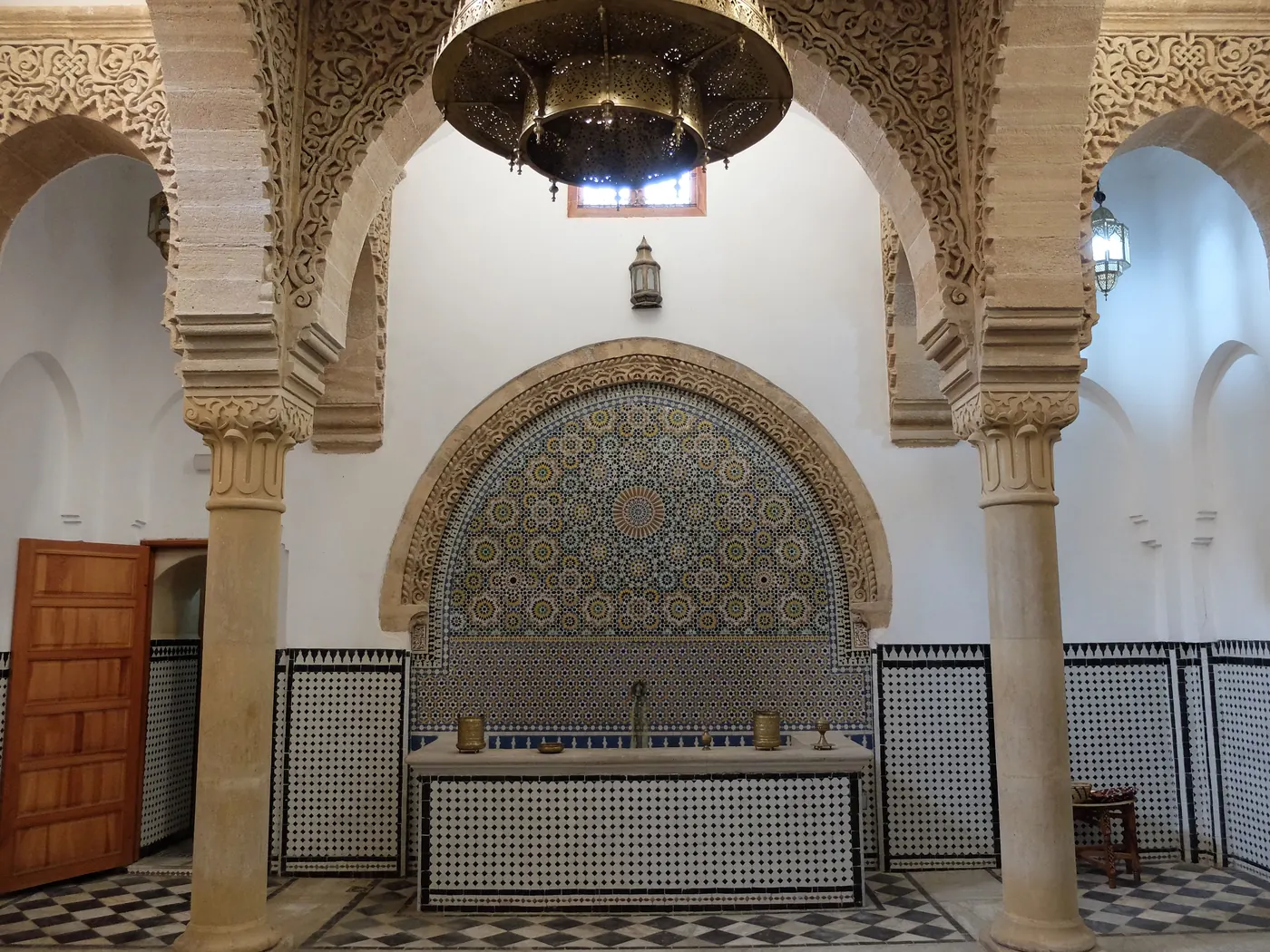
The short answer: prepare for a venue-specific routine
A public hammam is worth considering if you want a communal Moroccan bathing experience and are happy to adapt to the bath’s own process. Morocco’s official tourism site describes the traditional hammam as both a public, convivial space and a ritual involving steam, exfoliation and showering.1 The useful first-timer skill is not memorising a universal ritual. It is confirming the practical details at this hammam, then moving through it without making assumptions.
This is not a national permit system. Do not infer an entitlement from your nationality, residency, age, sex or travel status. Ask the individual venue whether it can accommodate you and which section or session applies. A public hammam may be a poor fit if you need a private changing room, guaranteed English support, a scheduled treatment, predictable storage or a low-heat environment. In that case, choose a booked spa arrangement instead. For the broader format and etiquette overview, read what a Moroccan hammam is.
Confirm access before you set out
A neighbourhood bath can be welcoming without being designed as a tourist attraction. Ask your accommodation, a trusted local contact or the venue directly to confirm the current arrangement on the day you plan to go. Public baths may use separate arrangements or hours for women and men, but that is not a substitute for checking the specific venue.2
Get a clear answer to these questions before you walk over:
- Which entrance, section or session should I use?
- Are visitors welcome today, and is there a last entry time?
- What should I wear inside this bath?
- What must I bring, what can I buy or rent, and what should I leave behind?
- Is there a secure place for belongings, or should I carry only essentials?
- Is entry paid separately from an attendant scrub or any products? Which payment method is accepted?
- If I am travelling with a child, is the child admitted, supervised by whom, and are there age or heat-related limits?
These are supplier questions, not legal guarantees. Ask for the current entry price and any separate service charge directly rather than relying on a travel blog or an old exchange-rate conversion. If you are travelling with a partner, do not assume a public bath provides a shared experience; see whether couples can use a hammam in Morocco before choosing a format.
Pack for a self-directed wash
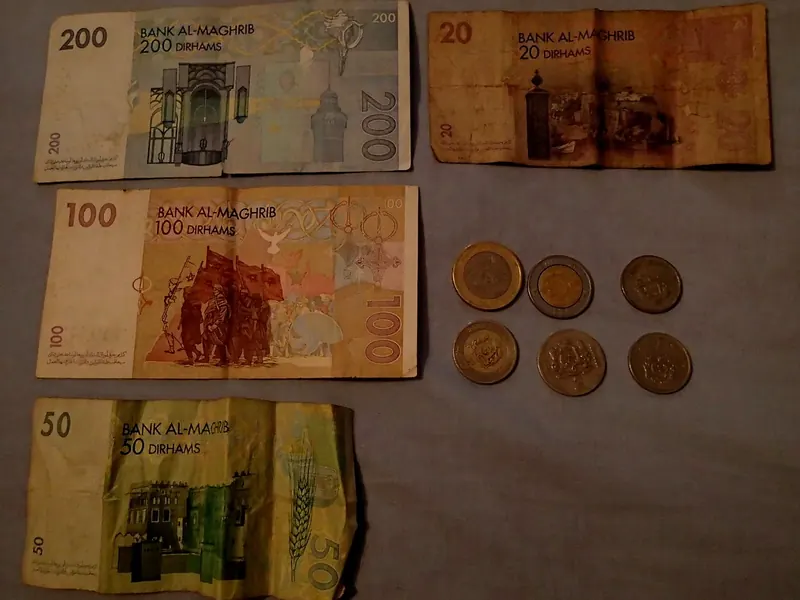
Take a small washable bag, not a daypack. Pack only the items the venue confirms, which may include a towel, sandals, clean underwear or swim bottoms, cleanser or black soap, a kessa mitt and a hair tie. A modest amount of local currency may be sensible only if the venue confirms cash; plan it with this guide to using dirhams, cash and cards.
Leave jewellery, passport, bank cards you will not use, camera and unnecessary electronics at your accommodation when storage is uncertain. Do not use a phone to take photographs inside. If you have not been told whether towels, soap, mitts or changing space are available, treat them as unavailable until confirmed. The point is to arrive prepared, not overloaded.
Use the changing area and pay transparently
At the door, greet the staff, say you are visiting for the public bath, and let them direct you. Confirm what the first payment covers before handing over money. If someone offers a scrub, product or another service, ask whether it is optional and agree the charge before it begins. Do not assume entry includes a treatment, and do not feel obliged to accept one.
In the changing area, watch how staff direct visitors, then change only to the level and in the place they indicate. Keep your belongings together and ask how they are secured; do not assume there will be a locker, key or attendant. If the privacy or storage arrangement makes you uncomfortable, it is fine to leave before bathing.
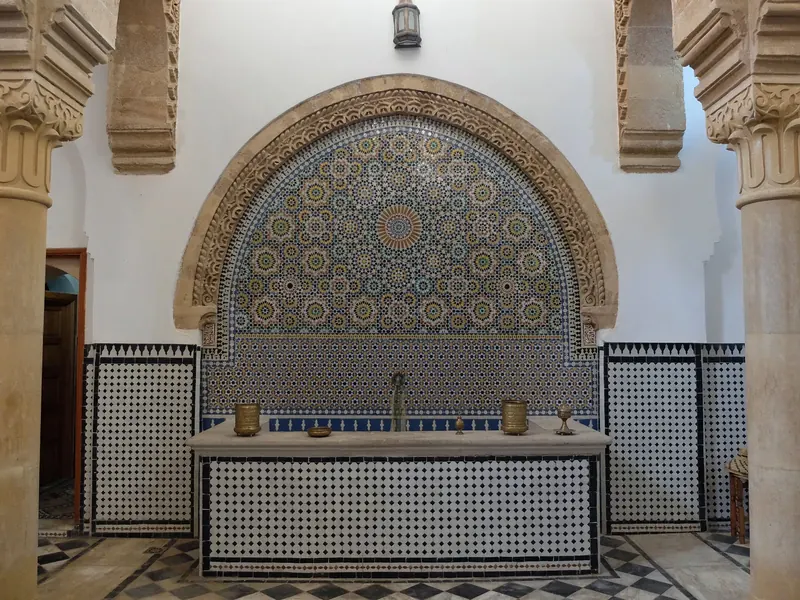
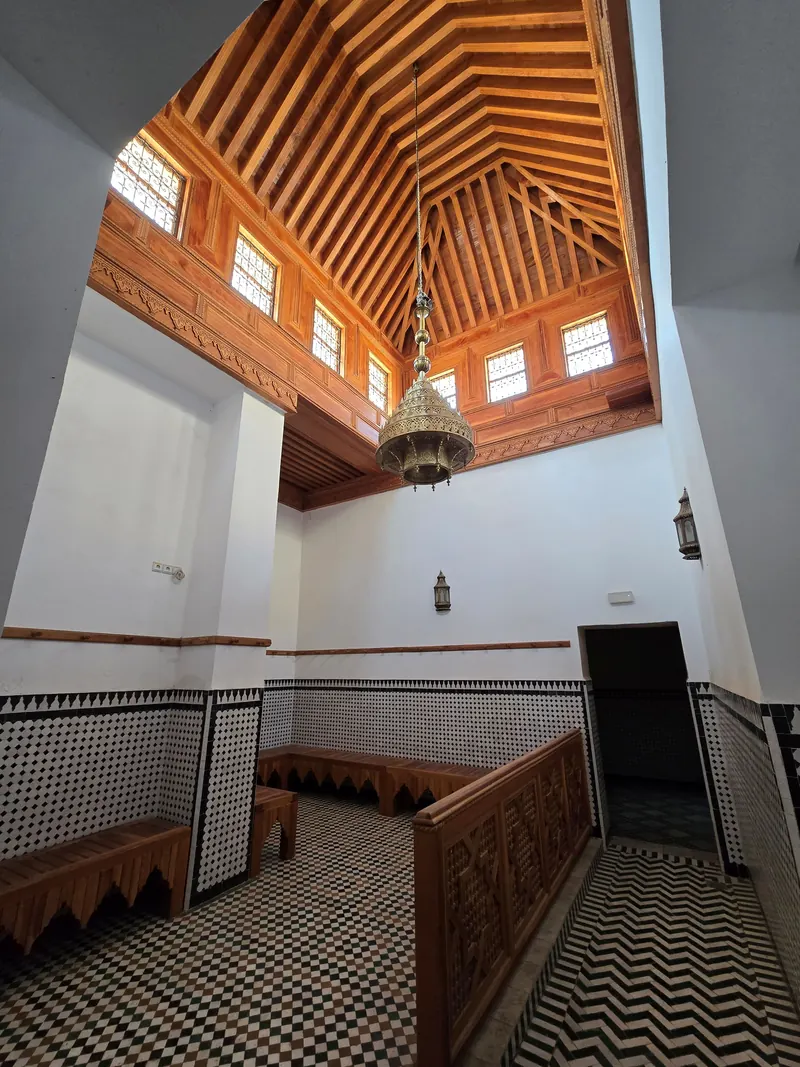
The photograph below shows the women’s changing room at Hammam Saffarin in Fes. It is a real example of one named hammam, not a template for every public bath: changing layouts, storage and facilities vary.
Move through the bathing rooms at your pace
Start where the heat feels manageable and give yourself time to adjust. The official description is deliberately simple—steam, exfoliation and showering—because room layout, water handling and sequence differ by hammam.1 Follow staff direction for taps, buckets, benches and any queue. Do not copy a routine from another city if the room or instructions are different.
A self-directed visit can be as simple as warming up briefly, washing, rinsing and leaving when you are ready. If you choose a kessa scrub, establish whether someone else will do it, what it costs and what touch is acceptable before it starts. You can say no, ask for less pressure or stop at any point. A scrub is exfoliation, not a massage; do not assume a massage, hair wash, mask, tea or rest area is part of a public-bath visit.
Keep the pace respectful. Give other bathers room, do not stare, and avoid photographing people, rooms or belongings. If you cannot communicate comfortably, use a short translated question, a gesture or choose a spa setting where the process is clearly explained before you undress.
Leave with a simple exit plan
Rinse fully, dry and dress before you settle any remaining agreed charge. Check that you have your own towel, clothing and bag before leaving the changing area. Any tip is voluntary; do not treat it as a fixed Morocco-wide tariff. If a service was offered or charged differently from what you agreed, pause and ask for clarification before you leave.
Give yourself time to cool down, drink water and avoid planning an immediate rush through the medina. A public hammam is a bathing visit, not a timed attraction. The best outcome is a calm exit with your belongings, skin and comfort intact—not squeezing a treatment into a rigid itinerary.
Privacy, heat and your limits
A humid bathing room is still a hot environment. CDC guidance on heat stress is not hammam-specific, but it identifies dehydration, health conditions, some medicines, pregnancy and prior heat illness among factors that can increase heat-related risk in hot environments.3 Leave the heat and seek a cooler place if you feel dizzy, faint, nauseated or otherwise unwell.
If you are pregnant, have a medical condition, take medication that affects heat tolerance, or have a concern about vigorous exfoliation, get individual medical advice before deciding. UK travel-health guidance says temperature regulation is less efficient during pregnancy and advises restricting activities in heat.4 That is a health precaution, not a reason to diagnose yourself or a claim that every hammam is unsafe.
A one-minute door-to-door checklist
Before leaving, you should be able to answer: Am I welcome today? Which entrance or session? What do I wear? What do I bring? Where will my belongings go? What does entry include? Is any scrub optional and agreed in advance? If any answer is unclear, choose another time, another hammam or a booked spa instead.
If you would like help preparing practical questions for a venue as part of a wider Morocco plan, Maroc Mobility’s Personal Travel Assistant can help you arrange the details; the hammam itself sets its own access and service terms.