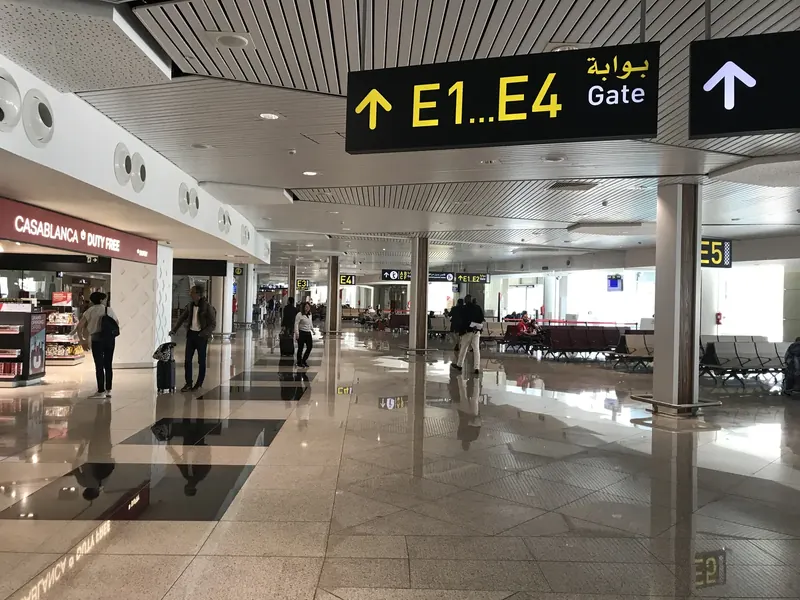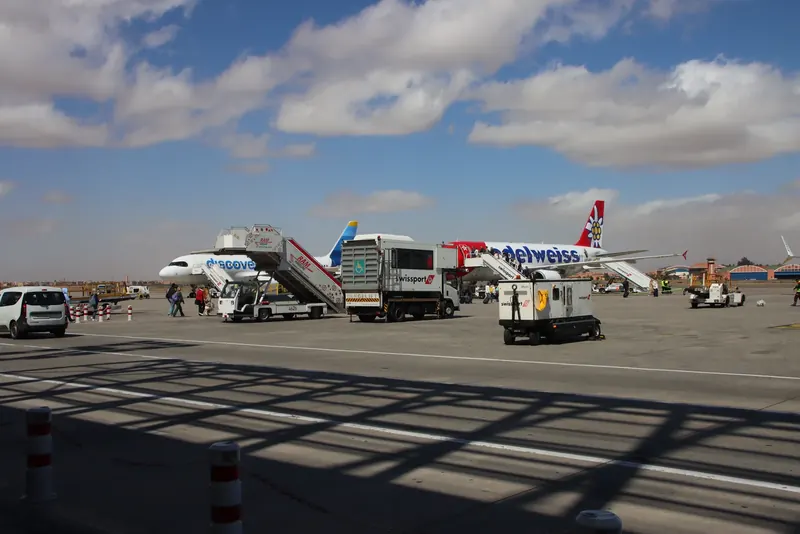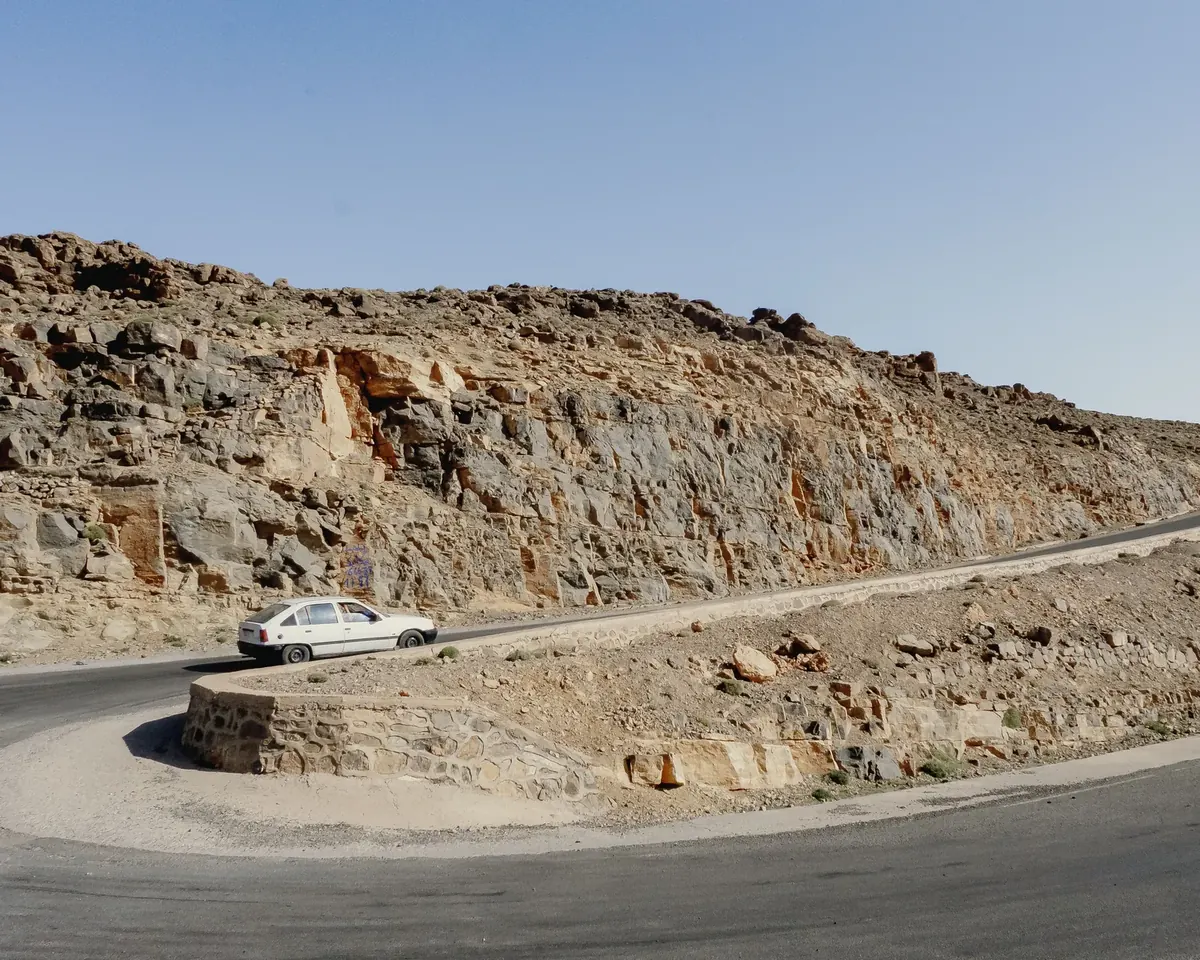
Is renting a car in Morocco right for your trip?
Renting a car in Morocco gives you control over stops and timing, especially on routes to smaller towns, mountain valleys and Atlantic-coast areas that do not fit neatly into a train itinerary. It is less useful for a stay centered on Marrakech, Fez or Casablanca: narrow medina lanes, dense traffic, parking and unfamiliar one-way streets can make a car a burden. A useful compromise is to use rail or a driver between major cities, then rent locally for a few days outside town.
Before booking, check three separate things: whether you may legally drive with your licence, whether the rental desk will accept your documents and payment card, and what the insurance contract actually covers. Those answers can differ. U.S. Department of State guidance says foreign licences are valid in Morocco for up to one year, while rental companies may set their own age, experience and payment conditions. 1 AAA notes that an International Driving Permit (IDP) translates licence details and that rental companies can require one even where a government does not. Ask your rental station and check current U.S. guidance; if obtaining an IDP, carry it alongside—not instead of—your valid state licence. 3
Quick takeaways
- Choose a car for rural flexibility, not simply because you are visiting Morocco; compare city parking and traffic with the convenience of rail or a driver.
- Get written confirmation of accepted licence documents, minimum age and driving history, payment-card type, deposit and pickup hours from the exact rental office.
- Compare insurance limits, excess and exclusions—not just a package called “full protection.” A separate excess policy may reimburse you later without removing the rental desk’s deposit hold.
- At pickup and return, photograph the car, fuel gauge and mileage, and ensure every existing mark appears on the signed condition report.
- Plan mountain and rural driving in daylight. Official U.S. guidance warns of narrow, winding routes, poor lighting and flash flooding. 1
Choose a car for the route you will actually drive
A small car is generally easier to park and maneuver in cities; extra ground clearance may be useful on rough approaches, but it does not turn a rental into permission to drive off-road. Ask the rental company which road surfaces and destinations the contract permits. Do not assume that a scenic piste, beach track or unpaved shortcut is covered. If your itinerary includes remote locations, check mobile coverage, fuel availability and the provider’s breakdown procedure before you leave.
For example, a Marrakech–Essaouira stay may be simpler with intercity transport and no car in either center. A loop through villages south of the High Atlas can justify a rental, but should be planned around daylight and weather rather than a rushed sightseeing checklist. U.S. government guidance describes Atlas and Rif mountain roads as steep, narrow and winding; rural secondary roads can be poorly paved. In rainy-season months, November through March, flash floods can disrupt rural routes. 1 These are reasons to build slack into the itinerary, not a guarantee that a particular road is currently unsafe or closed.
If you need an automatic transmission, request it explicitly and have the station confirm it in writing. Independent travel reporting notes that the delivered vehicle may differ from the booked vehicle class or transmission. 4 The same principle applies to luggage capacity, child seats and additional drivers: confirm the actual arrangement, not only the broad category on an aggregator listing.
Confirm documents, driver rules and payment before booking
Keep the lead driver’s original, valid licence and passport ready. Ask whether your licence’s language or format requires an IDP or translation. A permit is not a substitute for a licence. AAA, one of the U.S. organizations authorized to issue IDPs, says a U.S. licence holder must obtain the permit in the United States and that some rental firms may require one. 3 Rules can differ by nationality, so do not apply UK guidance for a UK-issued licence to a U.S. driver.
Rental eligibility is a separate contract question. Age floors, young-driver fees, minimum time holding a licence, card brands and deposit procedures vary by company, vehicle class and branch. Before paying, send the pickup office a short written checklist: “Will you accept my U.S. state licence and IDP? What minimum age and licence history apply to every driver? Must the physical payment card be in the lead driver’s name? What is the deposit authorization, and what documents must I bring?” Keep the answer with your booking confirmation.
Check that the card has enough available credit for the rental balance and the deposit hold. A debit or prepaid card used to pay online may not qualify for the counter authorization. Verify whether the authorization is separate from the rental charge, what amount and currency will be held, and how the company releases it after return. The release may take time to appear in your account; ask the card issuer how pending authorizations are displayed.
Understand rental insurance and the deposit
“Deposit” and “excess” (also called deductible) are not interchangeable. The deposit is money blocked or collected as security for possible charges. The excess is the part of an insured loss you may have to pay under the rental agreement. They may be related, but the terms do not make them automatically equal. Ask for both figures and the coverage wording in writing. 2
Read the policy schedule and contract, not only the headline label. Identify whether third-party liability, collision damage and theft protection are included, what excess applies, and whether separate limits apply to tyres, wheels, glass, roof, underbody, keys, towing or roadside help. Ask what happens after a collision: whether you must call police, obtain a report or complete the local accident form, and which number to call. Policies often have conditions around authorized drivers, prohibited roads, alcohol and prompt reporting; the actual wording controls.
A separate travel or credit-card policy may cover rental damage or reimburse an excess, but it may not remove the rental company’s deposit authorization. Confirm directly with that insurer that Morocco, the chosen vehicle class, rental duration and intended roads qualify, and ask whether it pays the rental company or reimburses you after you pay. Do not assume a credit card benefit applies simply because you used that card. 2
For a transparent budget, total the rental price, required station charges, optional protection, additional-driver or one-way fees, child seats, fuel, tolls, parking and any late-return conditions. Keep the refundable deposit in a separate “credit needed” estimate rather than treating it as an ordinary trip expense. Do not compare a low headline rate with another quote until you have included the same coverage and add-ons.
Pickup and return: document the car carefully
Arrive with time to inspect the vehicle before driving away. Walk around it in good light and take wide shots plus close-ups of scratches, dents, paint chips and damaged trim. Photograph each wheel and tyre, the windscreen, mirrors, lights, bumpers, roof and visible lower panels. Capture the fuel gauge and odometer. Make sure the inspection sheet records all visible damage; ask staff to amend it before you sign if it does not. Independent rental guidance recommends detailed photo or video evidence and keeping the signed report. 2 4
Check that the vehicle has the documents and emergency instructions required under the contract. Test lights, indicators, wipers, air-conditioning and locks. Ask how to report a breakdown, whether roadside recovery is included, and what to do if a warning light appears. Confirm the fuel policy and the exact return location and time. Save the rental company’s contact details offline, since a phone signal may not be reliable on every route.
At return, take another set of photos in the designated area, ideally with a staff member present. Ask for a completed return inspection and a receipt showing any agreed charges. Keep booking terms, inspection forms, receipts and original photos until the deposit is released and any final charges are settled. If there is a disagreement, describe the issue calmly, request the written evidence and follow the company’s dispute process; do not sign a form that does not reflect what you understand it to say.
Driving and what to do if something goes wrong
Driving conditions vary sharply by location. The U.S. State Department describes modern freeways connecting major cities but warns that pedestrians, scooters and animal-drawn vehicles may share roadways, including freeways. It advises extreme caution at night because of poor lighting. 1 Avoid trying to learn city driving, navigate and manage luggage at the same time: arrange a clear pickup route, use a passenger as navigator, and park outside a dense medina when possible.
Do not plan long rural legs after dark. Reduce speed for villages, animals, parked vehicles and changing surfaces. Check weather and local route conditions before mountain drives, and do not drive through floodwater. Rest stops and daylight buffers matter more than squeezing in one more stop. During Ramadan, allow extra caution around dusk; official UK advice specifically flags potentially erratic driving at that time. 5
If a collision occurs, stop and follow local police and rental-provider instructions. The U.S. State Department says all parties should remain at the scene, police can be called at 190 (or 19 from a landline), and the vehicle should not be moved until police or an insurance investigator documents what is needed. 1 The UK government advises completing a “constat amiable” (joint accident report) after a road accident. 5 These authorities give complementary guidance; in practice, call the rental company promptly and follow official directions for the incident. Photograph the scene only when safe, exchange details, and do not admit liability or leave before authorities instruct you.
For help planning how a rental fits into a multi-city itinerary, Maroc Mobility’s Personal Travel Assistant is a separate planning service; the car itself is booked and paid for directly with a provider.