Choose a route that fits your days
A Morocco road trip is most rewarding when the drive connects places you genuinely want to experience. The country is large enough that a route can look compact on a map but consume whole days on the road. Decide first whether your priority is historic cities, Atlantic air, mountain scenery or Sahara dunes. Then build a route around that choice, with fewer bases and time to explore between drives.
For a first trip of about a week, consider Marrakech with an Essaouira overnight or two, or a Marrakech–Rabat–Fez city route using the main highways. The Moroccan National Tourist Office presents an imperial-cities itinerary with Rabat, Fez, Meknes and Marrakech, and gives estimated legs including 207.3 km from Rabat to Fez and 511 km from Meknes to Marrakech. Those are planning references, not promises of arrival time; add breaks and check current navigation and road conditions. 1
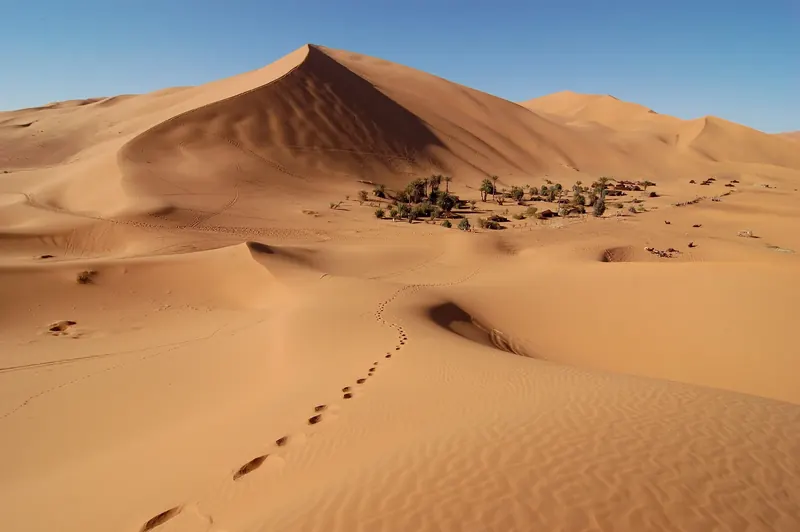
For roughly 10–14 days, a southern route can link Marrakech, the High Atlas crossing, Ouarzazate or the Dadès Valley, Merzouga, and Fez. Give the desert segment more than a single rushed out-and-back. The Sahara dunes around Merzouga are far from Marrakech; an overnight on the way in and another on the return or onward route make the journey more manageable. A broad travel feature describes Marrakech–Fez as around 531 km and nearly six hours even without stops, illustrating why a drive day should not also be treated as a full sightseeing day. 3
Sample route shapes
- Seven days, city and coast: Marrakech (three nights), Essaouira (two nights), then Marrakech (one or two nights before departure). You get a city stay and Atlantic coast time without trying to add the Sahara. The independent Marriott Traveler guide puts Marrakech–Essaouira at about 185 km and just under three hours, but traffic, stops and the exact route can change the day. 3
- Seven to nine days, imperial cities: Marrakech, Rabat, Fez and Meknes, with at least two nights in the larger cities. This is a more sensible direction than forcing in a southern desert detour. Consider a one-way rental only after confirming drop-off availability and all return terms directly with the rental company.
- Ten to fourteen days, south and desert: Marrakech, Ouarzazate, Dadès or Tinghir, Merzouga, then Fez, with overnight stays chosen to avoid consecutive exhausting drives. You can shorten the route by turning back west, but expect the return to take meaningful time. Treat maps as a first draft, not as a substitute for checking the final road and weather situation.
These are frameworks, not fixed itineraries. Add a night if you want a slower pace, travel with children, have mobility needs, or plan substantial hikes or guided visits. If a flight or major connection follows, avoid putting a long mountain crossing on the final day.
Know when driving helps—and when it does not
A rental car offers flexibility for rural stays, viewpoints and stops between towns. It can be especially useful when lodging is outside a city center or when your group wants to set its own pace. It does not automatically make old-city sightseeing easier. Morocco’s tourism office describes medinas as old quarters with intertwined alleyways; many visitors are better off parking once and exploring the compact historic core on foot. Confirm the accommodation’s exact parking arrangement, walking distance with bags, and whether staff can explain the final approach before you book. 4
For a route mainly linking Tangier, Rabat, Fez, Casablanca and Marrakech, compare driving with train travel before committing to a car for the entire trip. The U.S. State Department notes that modern freeways connect these major cities. 2 A mixed plan—rail between large cities, then a short rental for a countryside loop—can reduce time navigating urban traffic and parking. Check official operator schedules and ticket terms close to travel; this guide does not promise current departure times.
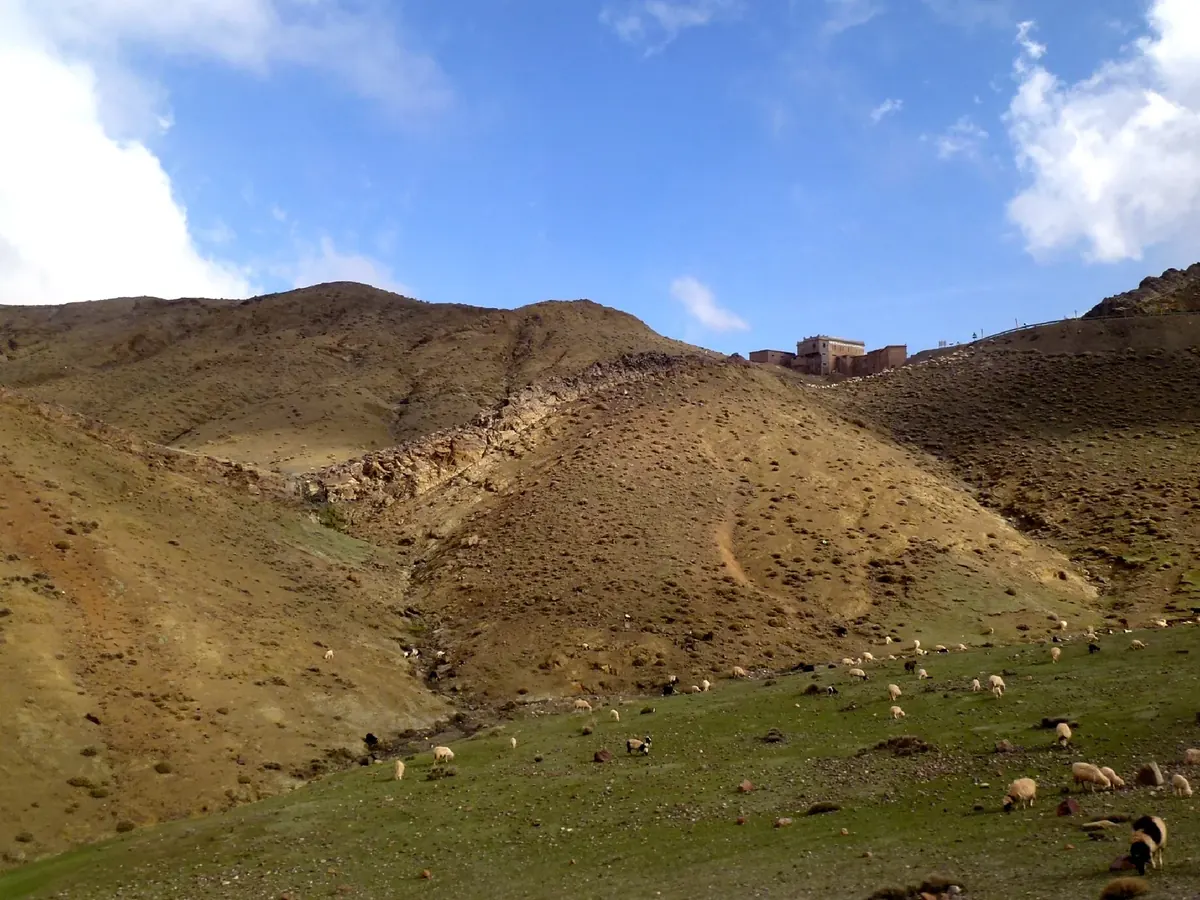
The Atlas and Rif legs are different from highway travel. U.S. government guidance says secondary rural roads may be narrow and poorly paved, and mountain roads can be steep, narrow and winding. It advises extreme caution at night because of poor lighting. 2 Plan to reach your lodging in daylight, allow extra time for stops and slow sections, and avoid treating a route-app estimate as a safe target. During the November–March rainy season, the same advisory warns that flash flooding can be frequent and may wash out rural roads. Recheck weather and route status before a mountain day. 2
Make each drive day workable
A practical itinerary distinguishes driving from sightseeing. If a route planner estimates several hours behind the wheel, do not add a full guided tour, a long meal stop and an evening arrival to the same day. Start with one main destination or experience per drive day. Add a buffer for fuel, restrooms, meals, navigation errors and unexpected slow traffic. On a mountain route, a scenic viewpoint is a stop, not merely a few extra minutes in the car.
For example, on a Marrakech-to-Fez day, either travel directly and arrive with time to settle in, or split the trip with a carefully chosen stop and overnight if the detour is part of the holiday. Do not assume you can make multiple cities into meaningful visits during one transfer. If you want to see Meknes or Volubilis, allow enough time and check opening arrangements independently; route-distance figures do not include visits.
Before reserving a car, ask the rental provider to confirm in writing: transmission type, included mileage, deposit and payment requirements, insurance excess and exclusions, additional-driver rules, roadside assistance, fuel policy, pickup and return hours, and any one-way drop-off conditions. Verify the documents required for your case with the rental company and official travel guidance rather than assuming a U.S. license alone meets every contractual requirement. Photograph the car’s condition at pickup and return, and keep the rental and emergency contact details accessible offline.
If traveling with children or anyone needing extra space, confirm child-seat availability, luggage capacity and the time needed for breaks before booking. For travelers with mobility limitations, ask lodging and activity providers about stairs, uneven surfaces and vehicle access; a car does not remove barriers inside medinas or historic sites. If dietary needs affect long rural drive days, identify meal options ahead and carry suitable snacks rather than assuming every stop will meet a specific requirement.
A quick planning checklist
- Pick one main route theme and choose arrival and departure airports that avoid unnecessary backtracking where possible.
- Mark overnight stops before adding attractions; avoid consecutive long drives when you can.
- Check current road conditions, weather, advisory information and navigation estimates shortly before each rural or mountain leg.
- Confirm rental terms, insurance details, parking and lodging access directly with the relevant providers.
- Keep city-core sightseeing car-free where practical, and do not plan to drive an unfamiliar rural road after dark.
For help coordinating a route with independently confirmed local providers, Maroc Mobility’s Personal Travel Assistant service is separate from the car rental and other provider arrangements; each provider confirms and charges for its own products.